
This year, Virginia is taking center stage in a national milestone: the 250th anniversary of American independence.
Known as VA250, this commemoration invites visitors to revisit the people, places, ideas, and landscapes that shaped the earliest chapters of America. VA250 is Virginia’s statewide commemoration of the 250th anniversary of American independence. Across the Commonwealth, museums, historic sites, local communities, and cultural organizations are honoring the people, places, and events connected to Virginia’s role in the American story.
For visitors traveling to Charlottesville and Albemarle County, or locals looking to better understand Virginia’s storied past, VA250 invites a closer look at the local history that surrounds us. Here, founding landmarks sit just minutes from vineyard views. Presidential homes, university grounds, historic inns, and some of Virginia’s most celebrated wineries all help tell the story of a region deeply connected to American history.
Whether you’re gathering a group for a one-of-a-kind experience, planning a wine country weekend for two, or a local looking to explore the area with fresh eyes, VA250 is the perfect opportunity to experience the history and stories that make this region so special.
Where Virginia History Meets Virginia Wine
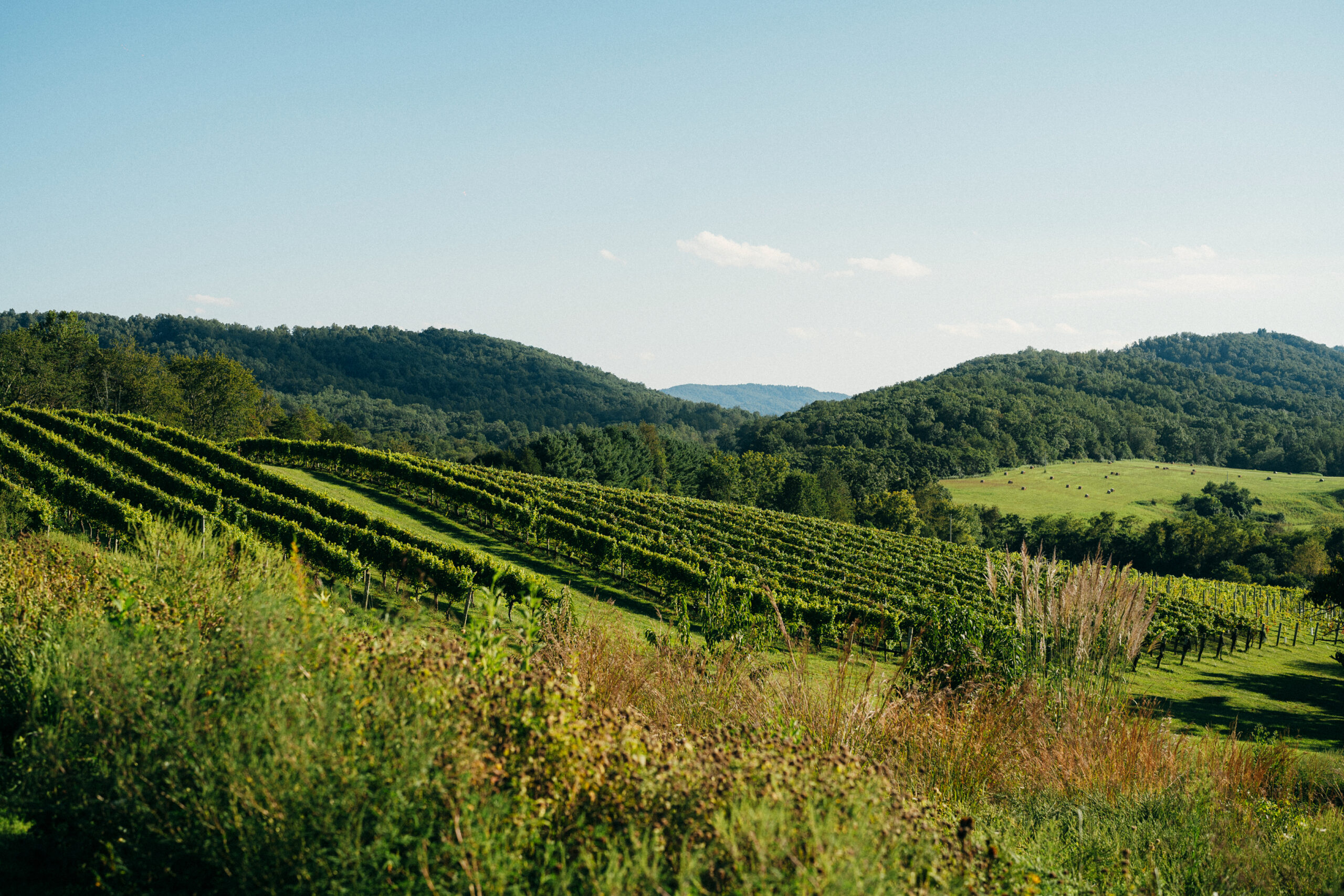
One of the most unique parts of experiencing Virginia history in the Charlottesville area is seeing how closely the region’s past is tied to the story of Virginia wine.
Thomas Jefferson famously believed that Virginia could become a world-class wine region. At Monticello, he envisioned vineyards that could produce wines to rival those of Europe, and he encouraged early efforts to cultivate grapes in the surrounding area. The Monticello Wine Trail carries that vision forward today, with its roots tied to Jefferson’s dream for American wine and the landscape surrounding his mountaintop home.
Jefferson’s dream was not fully realized in his lifetime. Early winemaking efforts faced challenges from climate, disease pressure, and the disruptions of history itself. But the vision endured. Today, the Monticello AVA has grown into one of the most celebrated wine regions in Virginia, with wineries continuing to explore what this land, climate, and terroir can produce.
Historic Sites to Visit During a VA250 Getaway
A VA250-inspired visit to the Charlottesville area can be as full or as leisurely as you like. For history lovers, Virginia enthusiasts, wine travelers, and locals looking to dive deeper, these nearby landmarks offer an ideal starting point.
Monticello
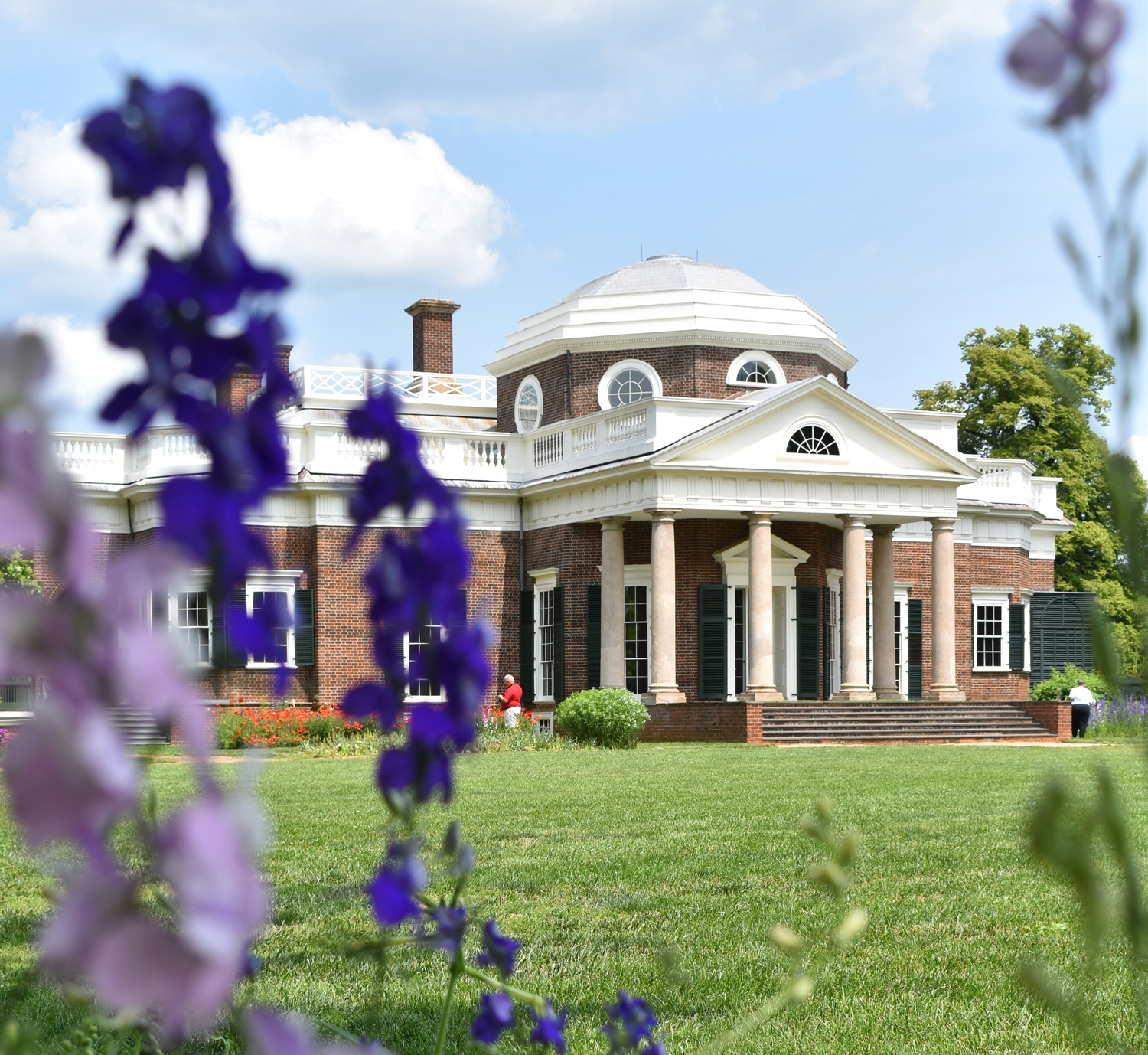
No VA250 itinerary in Charlottesville would be complete without Monticello. Thomas Jefferson’s mountaintop home is one of the region’s most iconic historic sites and a UNESCO World Heritage Site. Set high above Charlottesville, the property offers sweeping views of the surrounding countryside, making the visit feel both historic and scenic.
Visitors can explore Jefferson’s architecture, gardens, plantation history, and the stories of the enslaved people who lived and worked there. For travelers, it is one of the best places to begin a VA250 visit because it brings together so many parts of the region’s story in one place.
Monticello also provides one of the clearest connections between Virginia history and Virginia wine. Jefferson’s interest in viticulture helped shape the earliest dreams of winemaking in this region, making a visit especially meaningful before or after exploring the Monticello Wine Trail.
University of Virginia Grounds
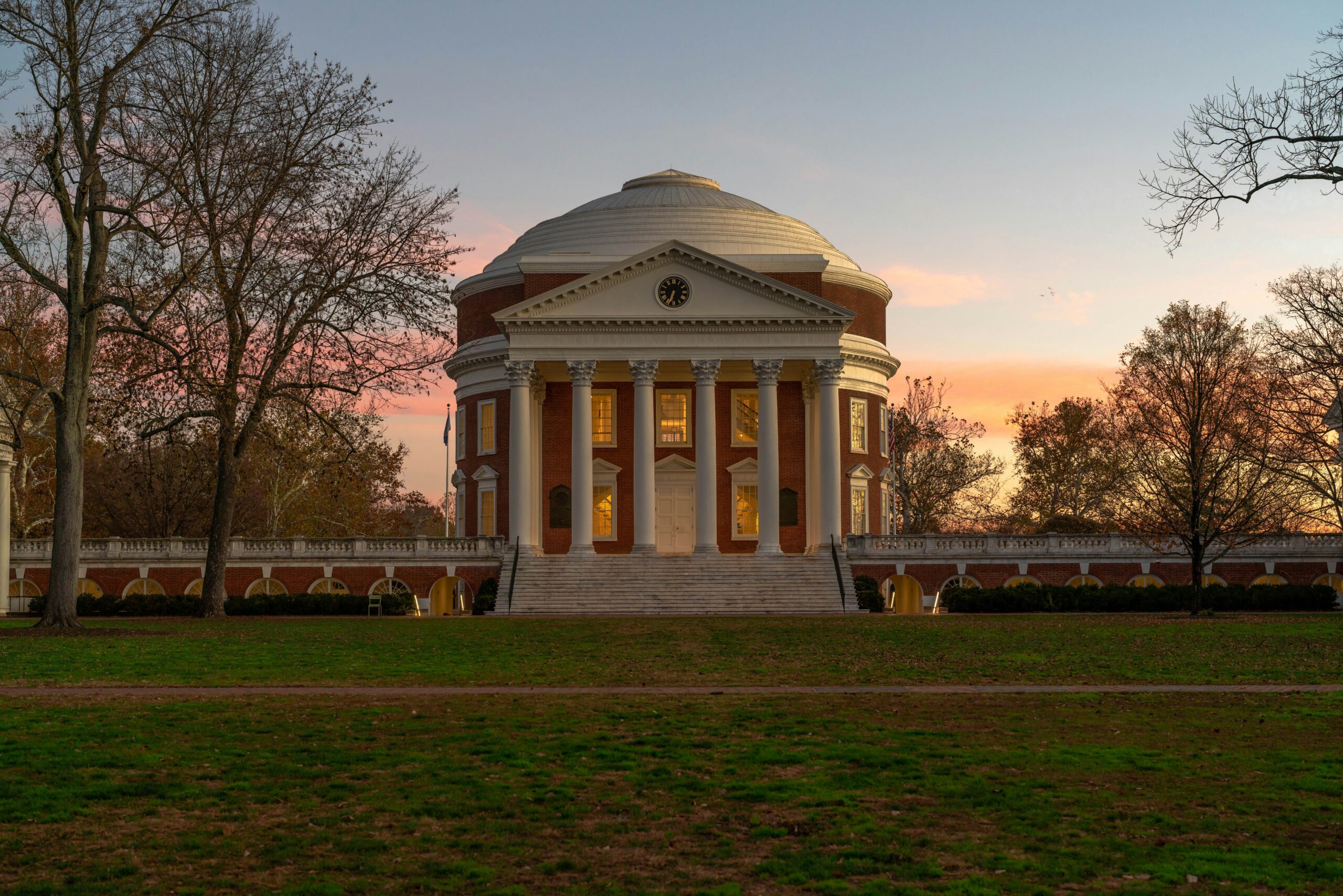
Designed by Thomas Jefferson, the University of Virginia’s Grounds are another essential stop. Together with Monticello, it is recognized as a UNESCO World Heritage Site. The Rotunda, Lawn, gardens, and surrounding architecture offer a glimpse into Jefferson’s vision for education, design, and public life. For visitors, UVA Grounds are ideal for a self-guided stroll, especially when paired with time in downtown Charlottesville or a visit to nearby historic sites.
James Monroe’s Highland
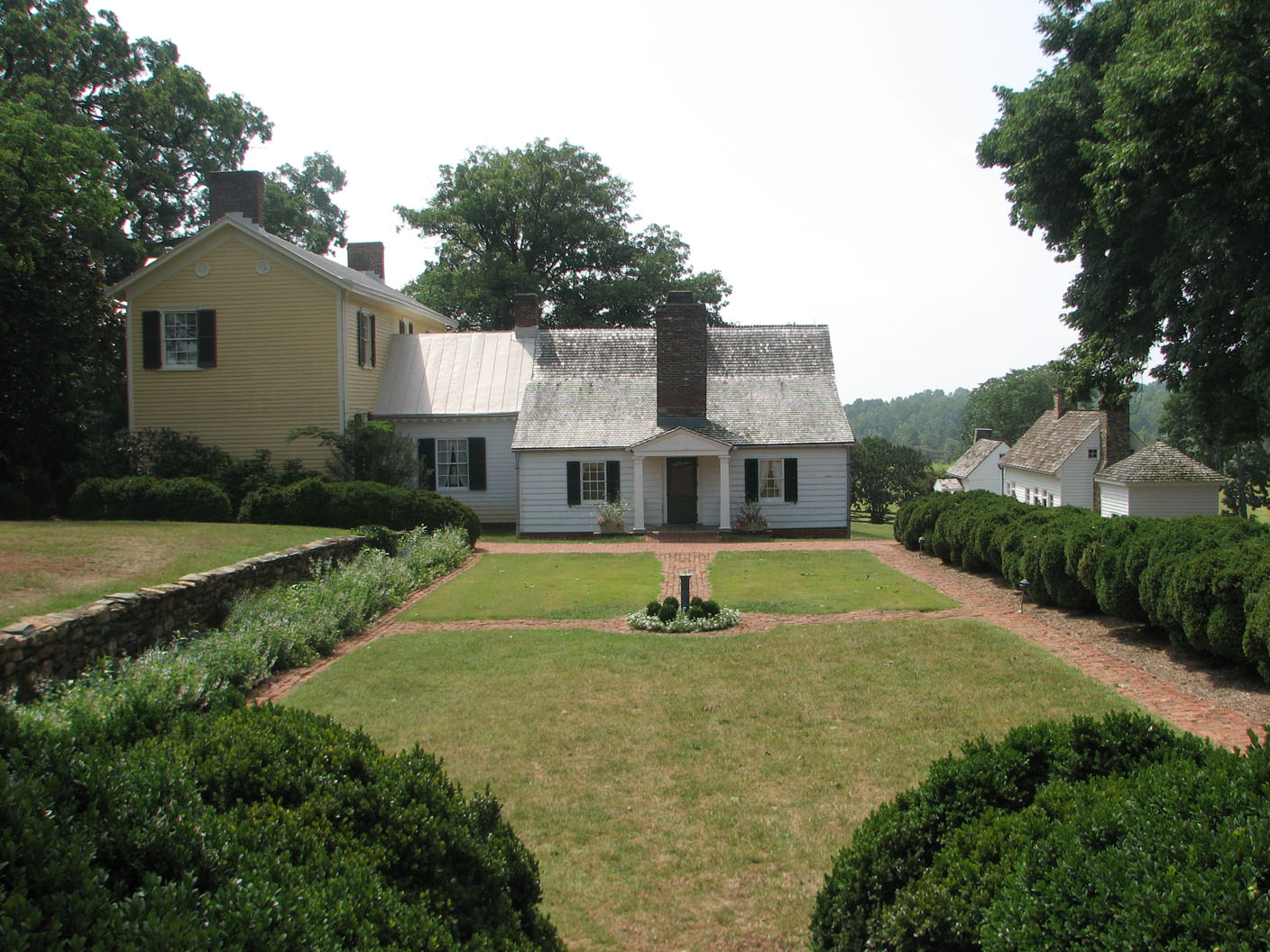
Just minutes from Monticello, James Monroe’s Highland offers another layer of early American history. Highland was the home of James Monroe, the fifth president of the United States, and today welcomes visitors to explore stories connected to Monroe, the people who lived and worked on the property, and the broader history of the early republic. It is a natural addition for guests who have already visited Monticello or want a more complete view of the presidential history surrounding Charlottesville.
James Madison’s Montpelier
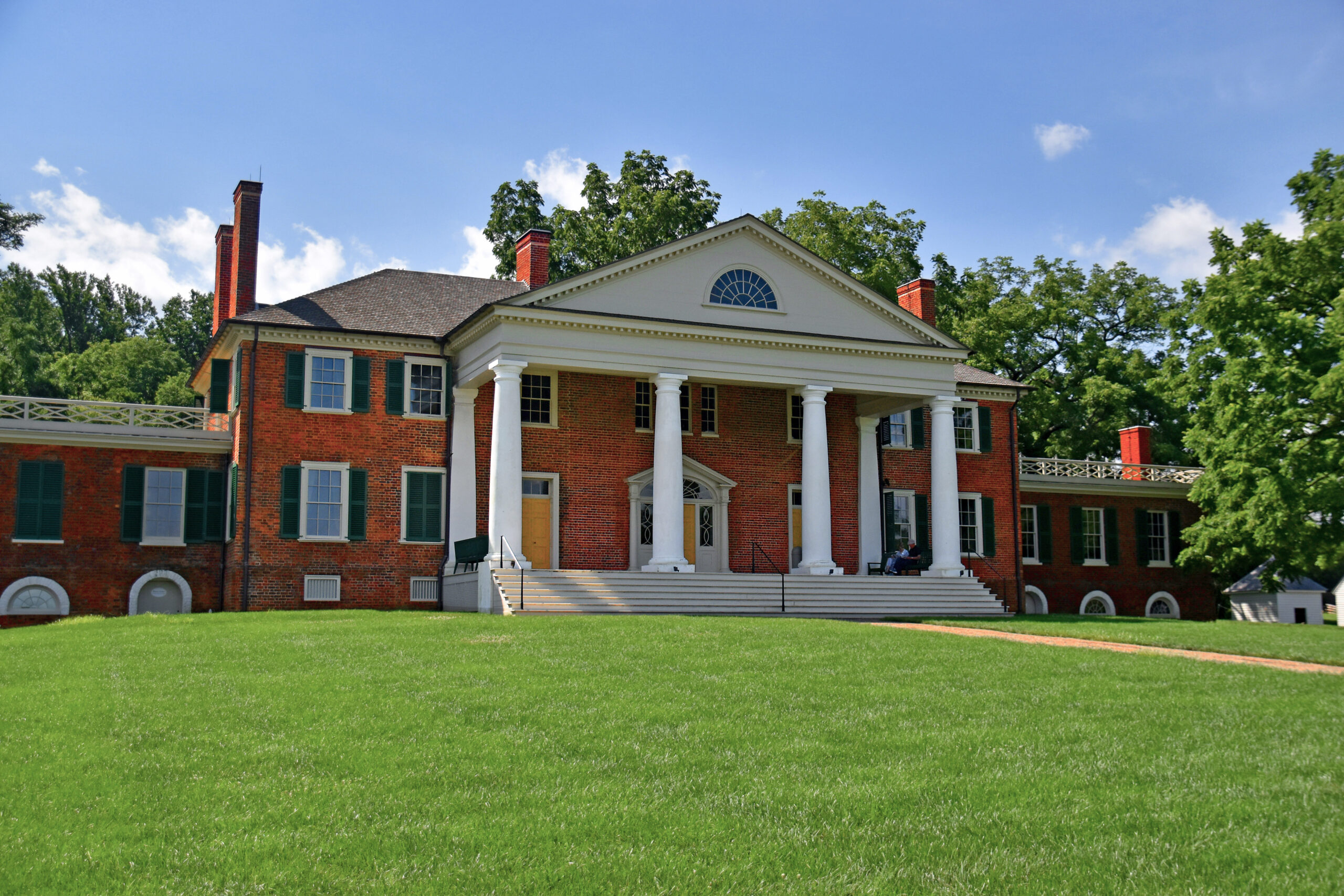
A short drive from Charlottesville, James Madison’s Montpelier is another meaningful stop for a VA250 itinerary. The property was home to James Madison, often called the “Father of the Constitution,” and gives visitors a closer look at the early ideas that helped shape American government.
Montpelier also shares the stories of the enslaved community who lived and worked there, making it an important place to better understand the history of the early republic. With house tours, exhibits, walking trails, and beautiful grounds, it is a worthwhile addition for visitors who want to spend more time exploring Virginia’s history beyond Charlottesville.
Wine Country Adventures
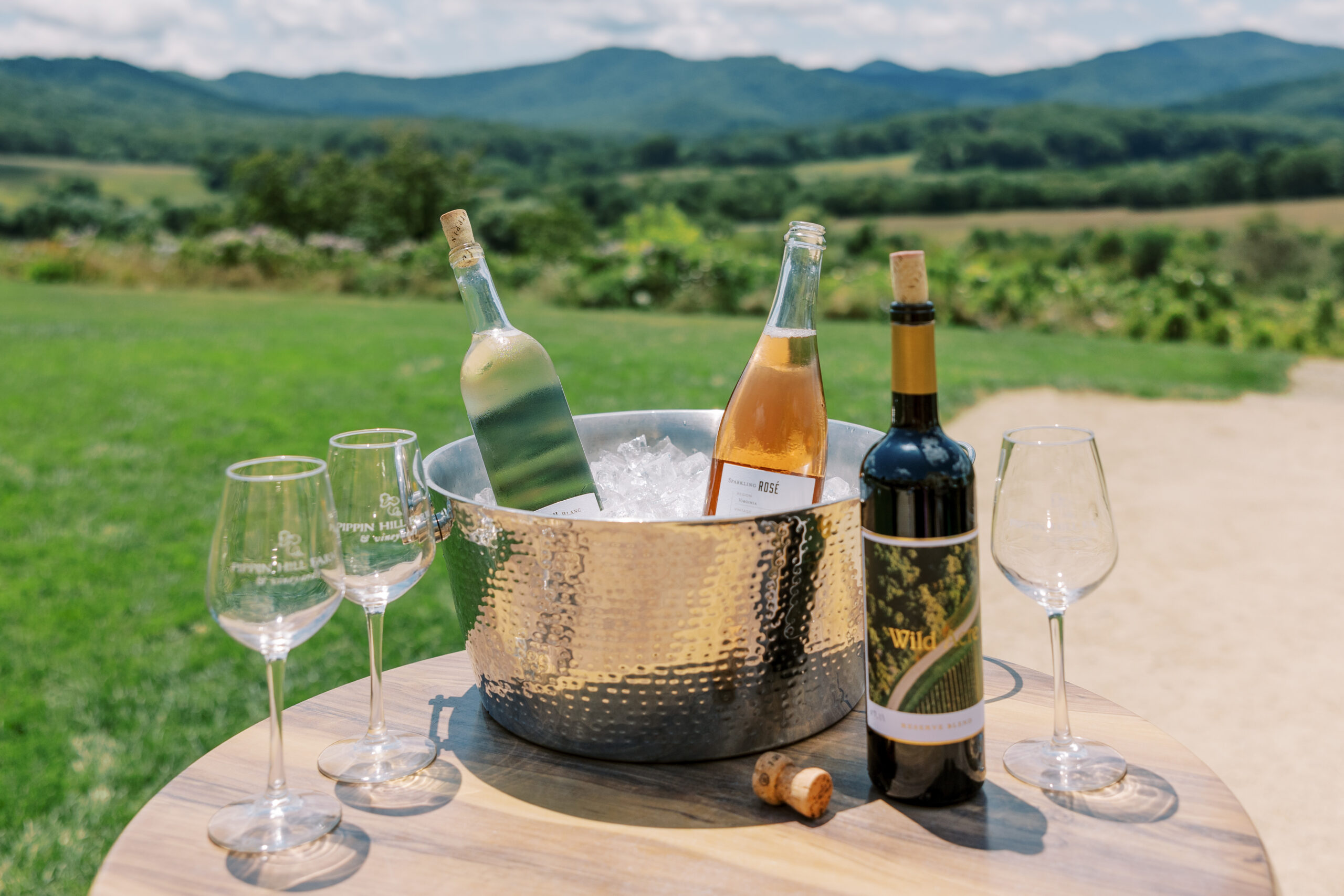
Beyond historic landmarks, the Charlottesville area offers many ways to turn a VA250 visit into a full Virginia Wine Country getaway.
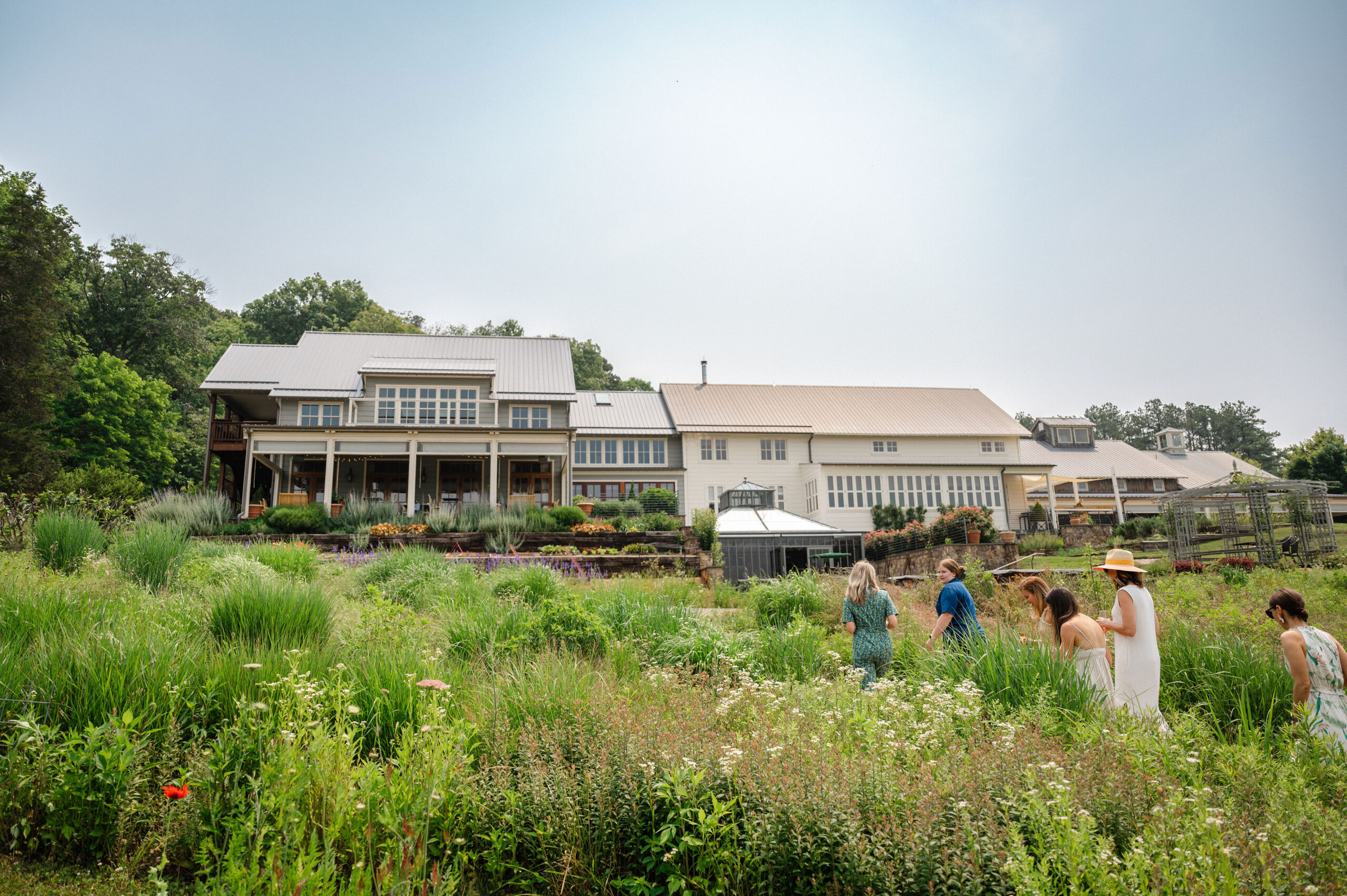
An afternoon exploring the Monticello Wine Trail is one of the best ways to experience the region. Spend the day visiting local wineries and vineyards, enjoying award-winning Virginia wine paired with seasonal bites and Blue Ridge Mountain views. At Pippin Hill, guests can take the experience a step further with a guided Estate Tour and Tasting, offering a closer look at the land, vines, and wines behind each glass.
Several nearby Tasting Rooms also have historic roots worth noting. Jefferson Vineyards, now part of the Thomas Jefferson Foundation, sits just 1.5 miles from Monticello and connects back to Jefferson’s early vision for Virginia wine. Barboursville Vineyards is another standout, home to the ruins of a Thomas Jefferson-designed mansion built for James Barbour, a Virginia governor and statesman. Blenheim Vineyards also sits on historic 18th-century Blenheim Farm in the Monticello AVA, adding another local stop where Virginia wine and history overlap.
What Else to Do While You Are Here
Visit the Downtown Mall for shopping, galleries, and restaurants. For a bit more history, plan lunch at Michie Tavern, a local landmark just below Monticello. Add an outdoor adventure with a scenic drive through Albemarle County, a Blue Ridge hike, or a quiet morning in the countryside.

Stay at Historic Crossroads Inn
Neighboring Pippin Hill, Crossroads Inn is the perfect home base for a VA250 escape. The historic 1820 property welcomes guests with timeless character, thoughtful details, and modern comforts.
The Inn’s own history adds another layer to the experience. Originally known as Crossroads Tavern, the property has welcomed travelers since 1820, when it served as a stop along the Staunton and James River Turnpike. In the spring of 1824, Thomas Jefferson met with Martin Van Buren in what was then the Inn’s private dining room. Theodore Roosevelt also visited the tavern for supper following a day of birding while staying at his beloved Pine Knot.
Today, guests can stay in a setting that has been part of the area’s story for more than two centuries.
Skip the July hustle and bustle and plan a quieter weekday getaway to Crossroads Inn this August. In honor of America’s founding year, use promo code “1776” for 17.76% off your stay and experience Virginia history at a slower pace.
Experience VA250 from the Hill
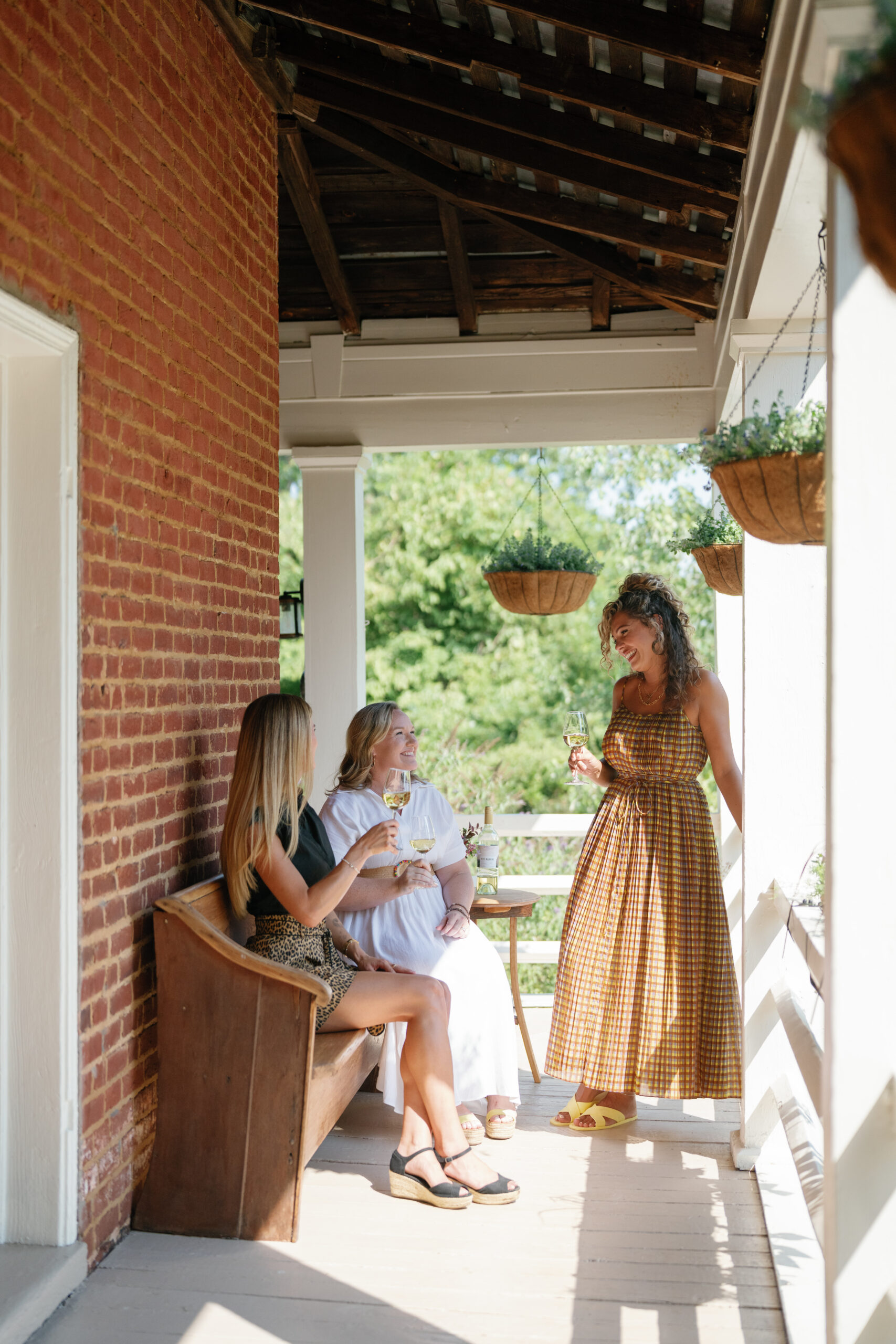
VA250 is a chance to celebrate, but it is also a chance to look closer. To walk the grounds where ideas took shape. To visit the homes and landscapes that shaped early America. To taste wines grown in a region that has carried Jefferson’s vision forward in its own distinctly Virginia way.
At Pippin Hill, history is not something separate from the guest experience. It is part of the setting, the land, the wine, the food, and the surrounding Blue Ridge views. Whether you are visiting from out of town, gathering with a group, or rediscovering the area as a local, Virginia Wine Country offers a beautiful and meaningful way to take part in this once-in-a-generation commemoration.
As Virginia marks 250 years of American history and independence, there has never been a better time to explore the places that shaped the story, and to raise a glass to the region still carrying it forward.