
Spring is in full swing on the Hill. The mountains have turned lush green, the vines are waking up, and the kitchen gardens are coming back to life with the season’s first harvests.
Across the property, new growth is unfolding daily, with early spring crops and blooms beginning to make their way from the garden to the plate. Many of the ingredients and edible flowers growing now will soon be incorporated into seasonal dishes in our Tasting Room and used to add fresh, thoughtful touches to weddings and events on the Hill. Here’s a look at what’s growing this spring.
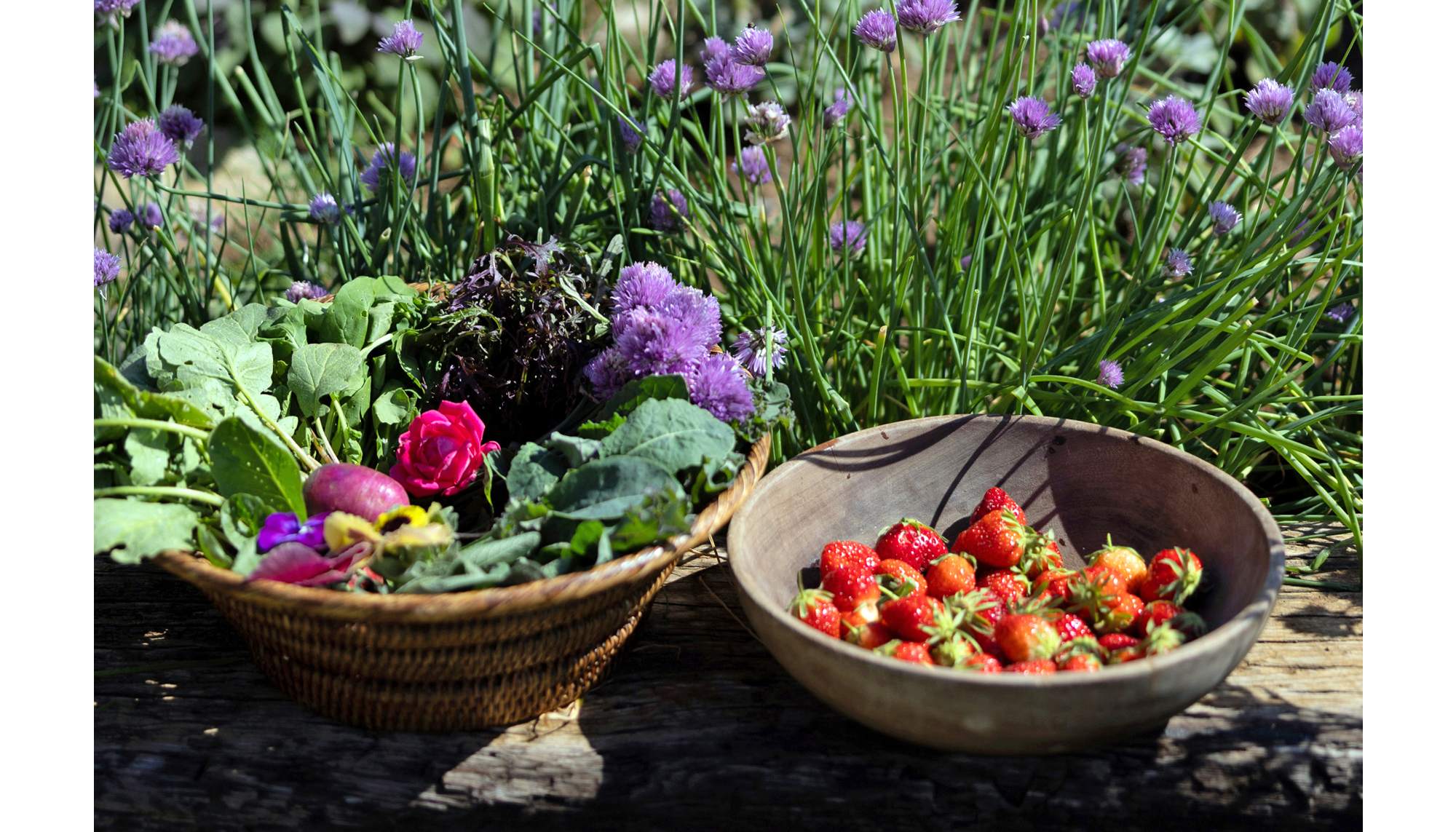
Strawberries: Mara Des Bois
A beloved French woodland variety, Mara Des Bois (or “Mara of the Woods”) produces small, intensely sweet berries with exceptional flavor. Because of their delicate nature and short shelf life, they’re rarely found in grocery stores and are best enjoyed freshly picked, straight from the garden. As an ever-bearing variety, they’ll continue producing small harvests from now through October. Their rich, concentrated sweetness makes them perfect for simple spring desserts, cheese boards, or just eating by the handful.
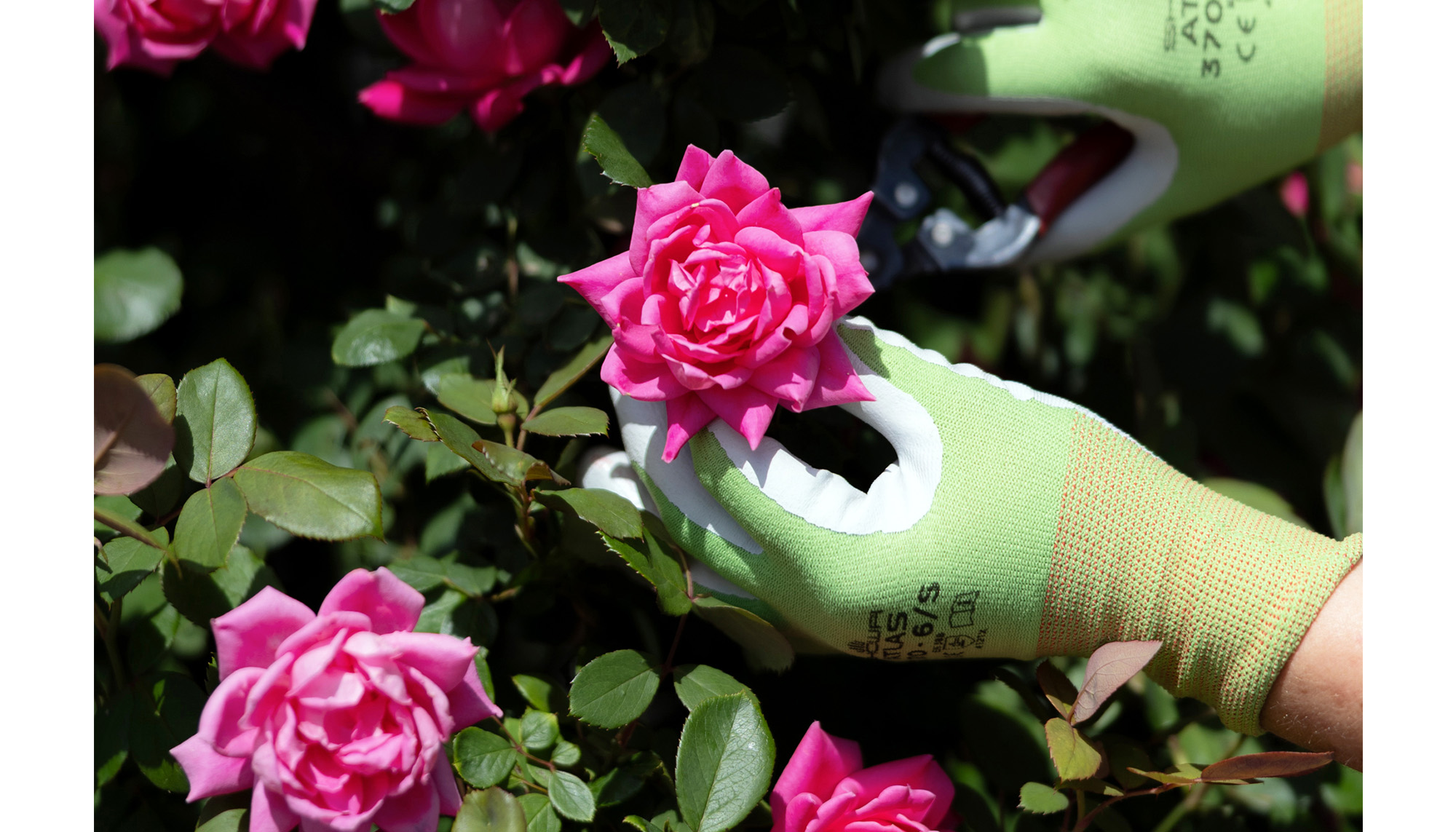
Knockout Roses
Reliable and easy to grow, Knockout roses are a garden favorite for good reason. Their blooms last all season long and, with regular deadheading, can continue through late summer. They’re also highly disease-resistant, making them a dependable landscape performer.
Beyond adding color throughout the season, their petals can be used as a delicate garnish on desserts, salads, and cocktails, or clipped fresh for simple arrangements and event tablescapes.
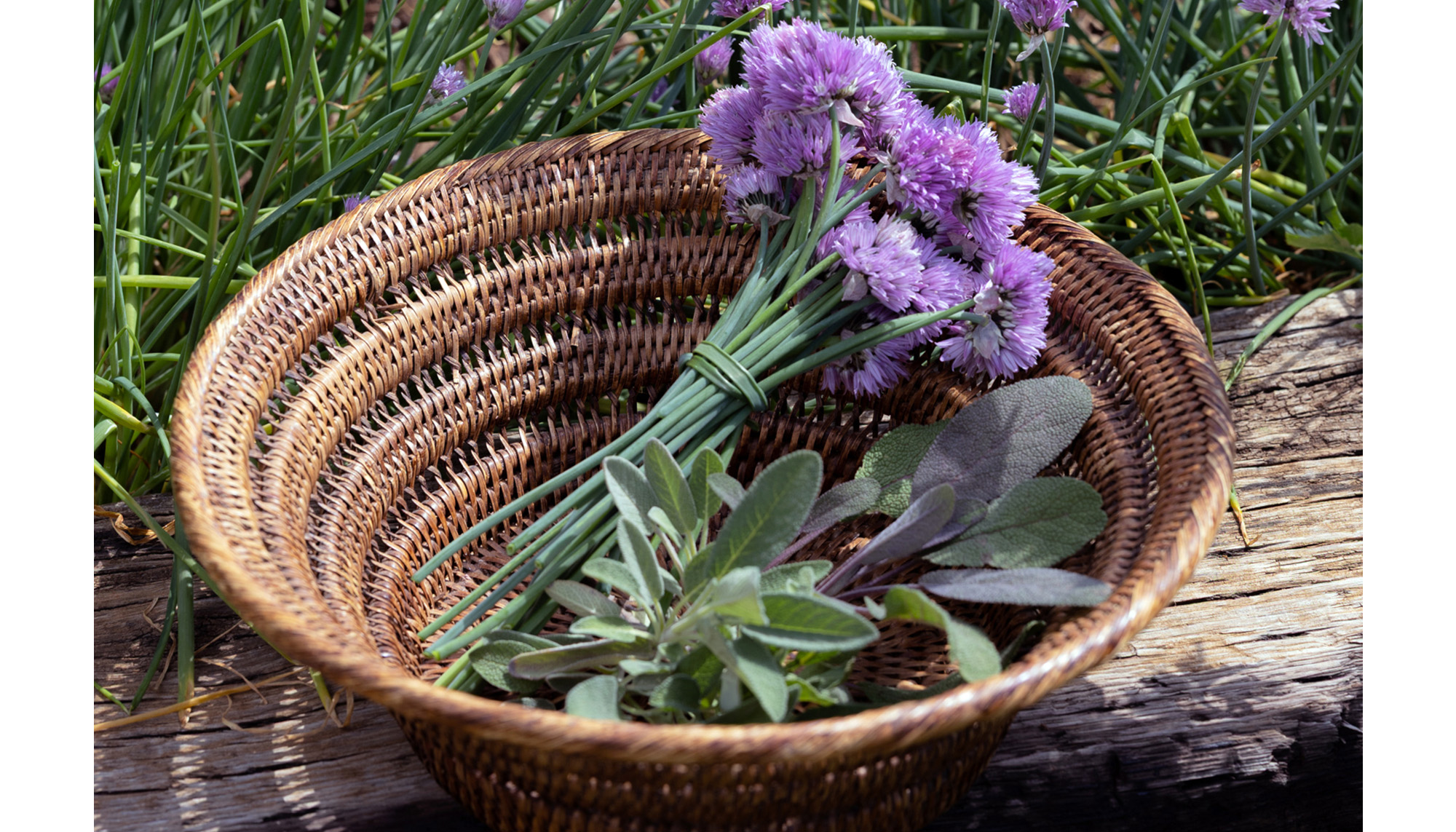
Chive Blossoms
One of spring’s prettiest edible blooms, chive blossoms bring both beauty and flavor. Their soft purple flowers make elegant garnishes for savory dishes and are just as lovely arranged in a vase. With a mild onion flavor, they can be folded into compound butters, infused into vinegars, or scattered over roasted vegetables and savory dishes.
Gray Sage
A classic culinary staple, gray sage is one of the most versatile herbs in the garden. Its earthy, savory flavor makes it a favorite for seasonal cooking and kitchen use. It pairs especially well with roasted vegetables, pasta, brown butter sauces, and poultry, and can be used fresh or fried crisp as a simple garnish.
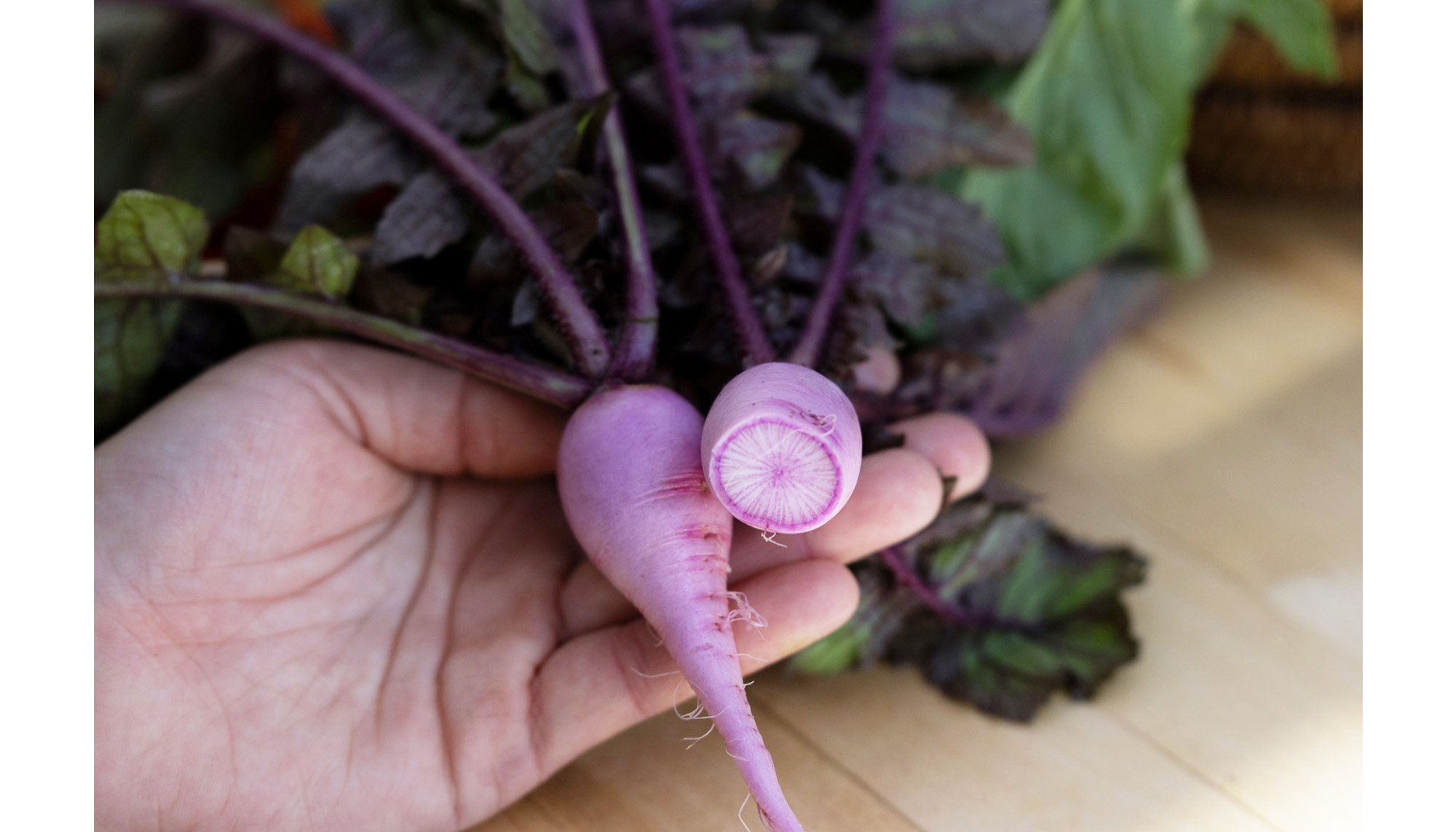
KN Bravo Radishes
A spicier radish variety with a longer growing window, KN Bravo takes about 55–60 days to mature. The reward is a crisp, peppery bite and the simple satisfaction of pulling a perfect radish from the soil. Their bold flavor makes them great sliced onto sandwiches, served with butter and flaky salt, or quick-pickled for spring dishes.
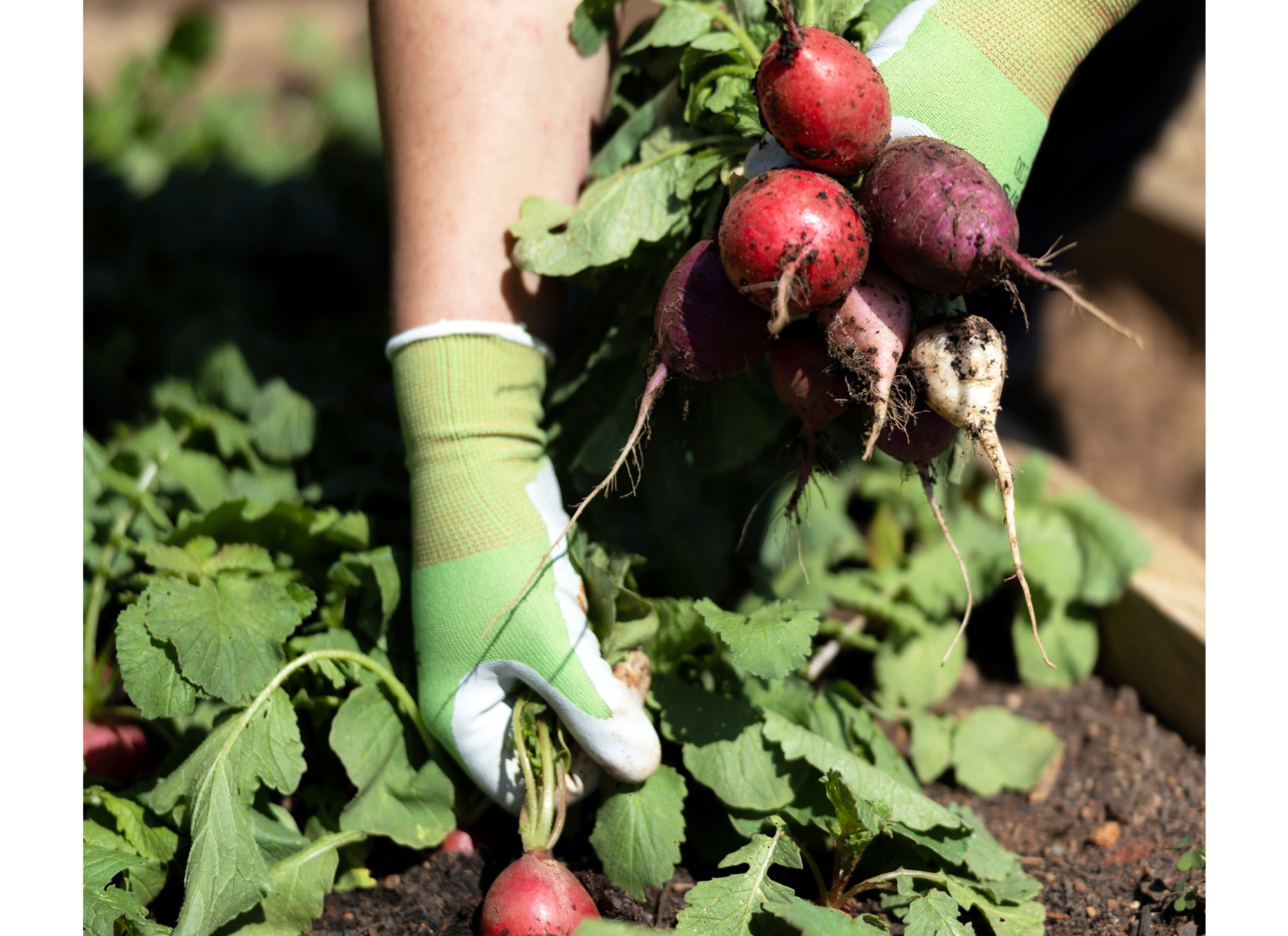
Easter Egg Radishes
Quick-growing and colorful, Easter Egg radishes are one of spring’s fastest rewards. You know they’re ready when their shoulders begin peeking above the soil. Their crisp texture and mild peppery flavor make them perfect for pickling, serving fresh with dips, or layering onto tartines and sandwiches.
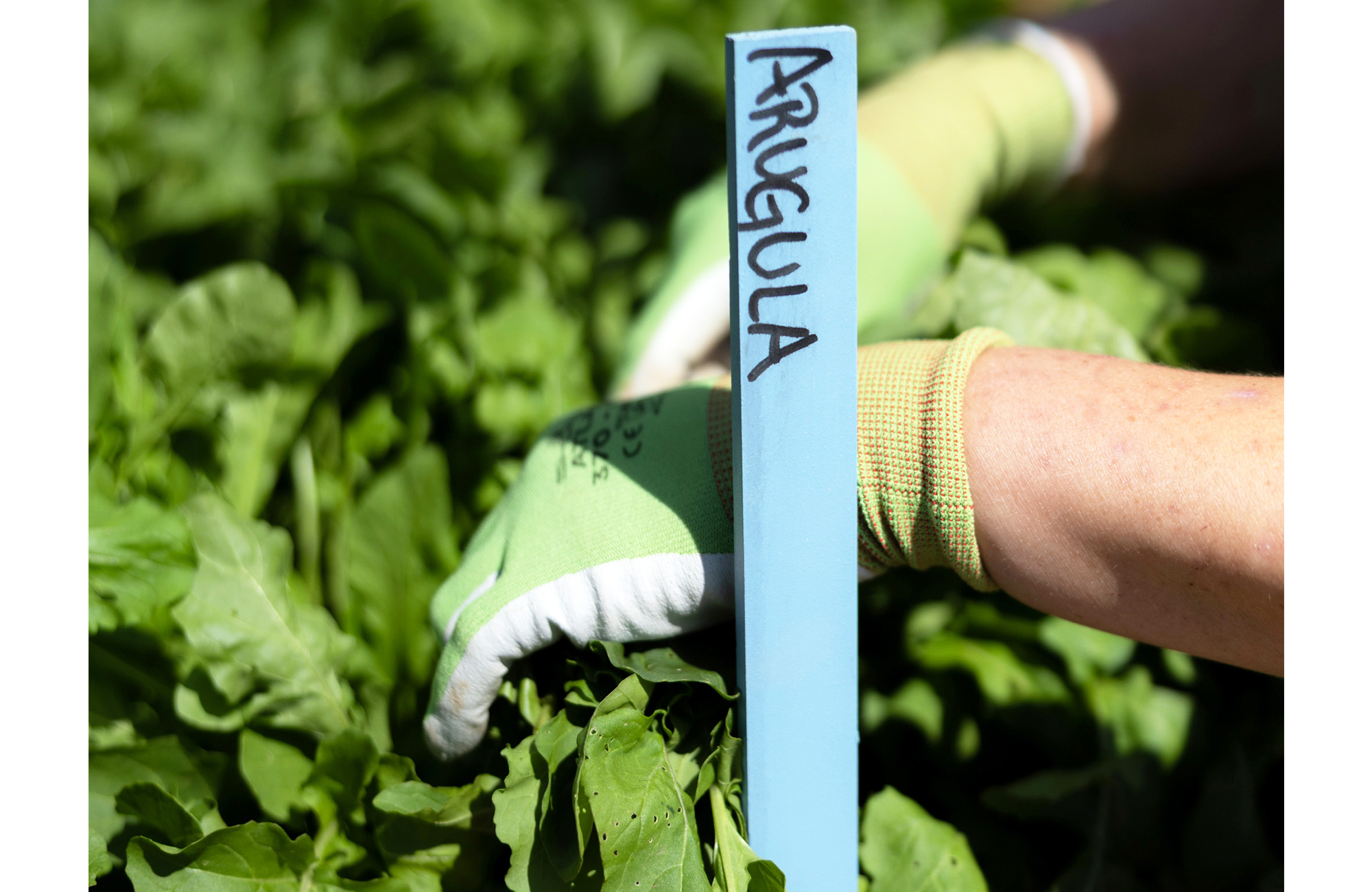
Arugula
A cool-season favorite grown for baby leaf production, arugula is a “cut and come again” crop, meaning it regrows after harvesting. Its peppery bite makes it versatile in everything from pizzas to salads.
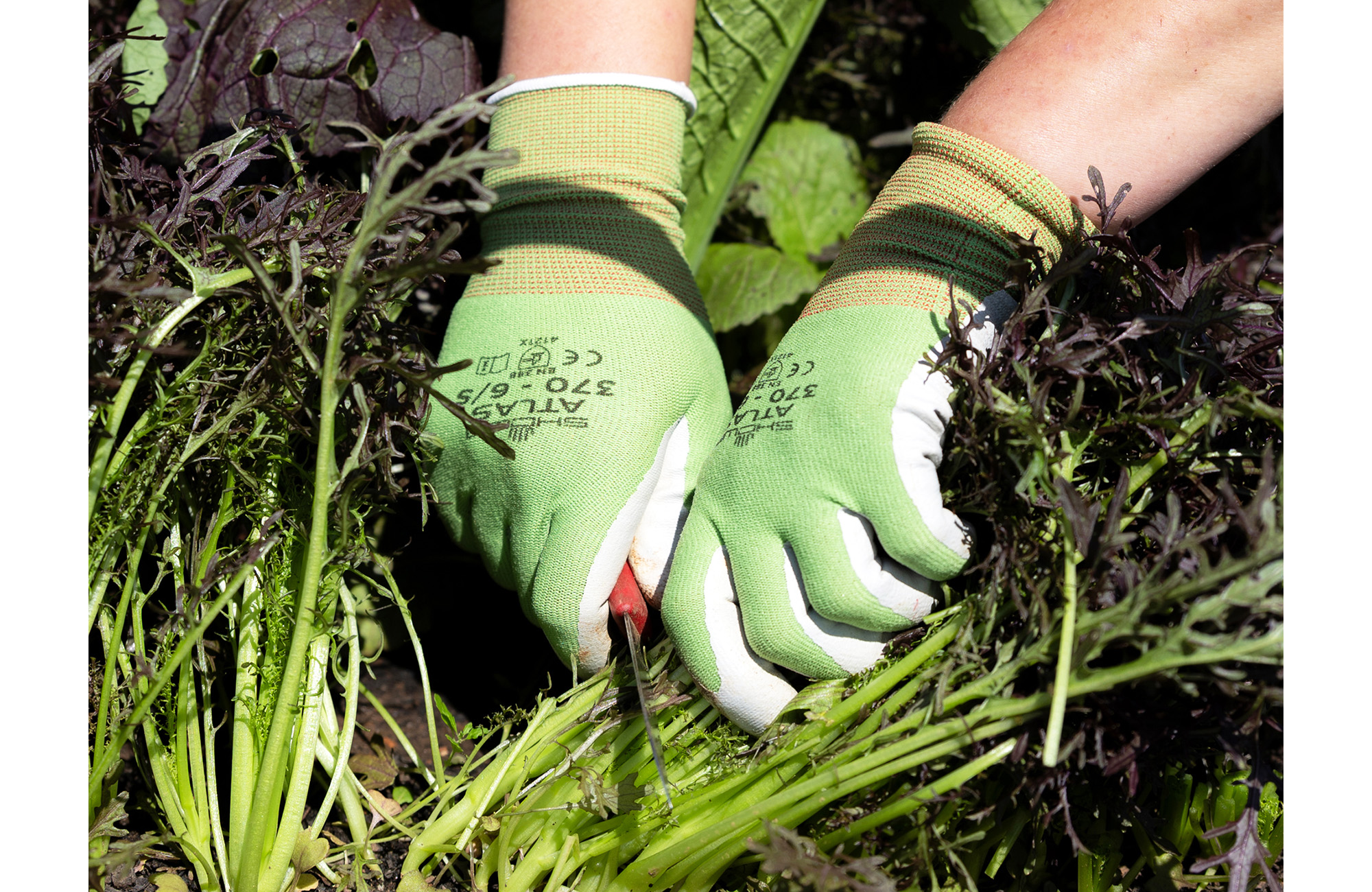
Red Mustard Mazoona
Another cold-season baby leaf crop, Red Mustard Mazoona adds color, texture, and a little heat to spring dishes. Like arugula, it’s harvested as a cut-and-come-again green. As temperatures rise, it will send up flowers and develop an even spicier flavor. In the Tasting Room, both the leaves and flowers are used to add color, texture, and a peppery bite to seasonal dishes.
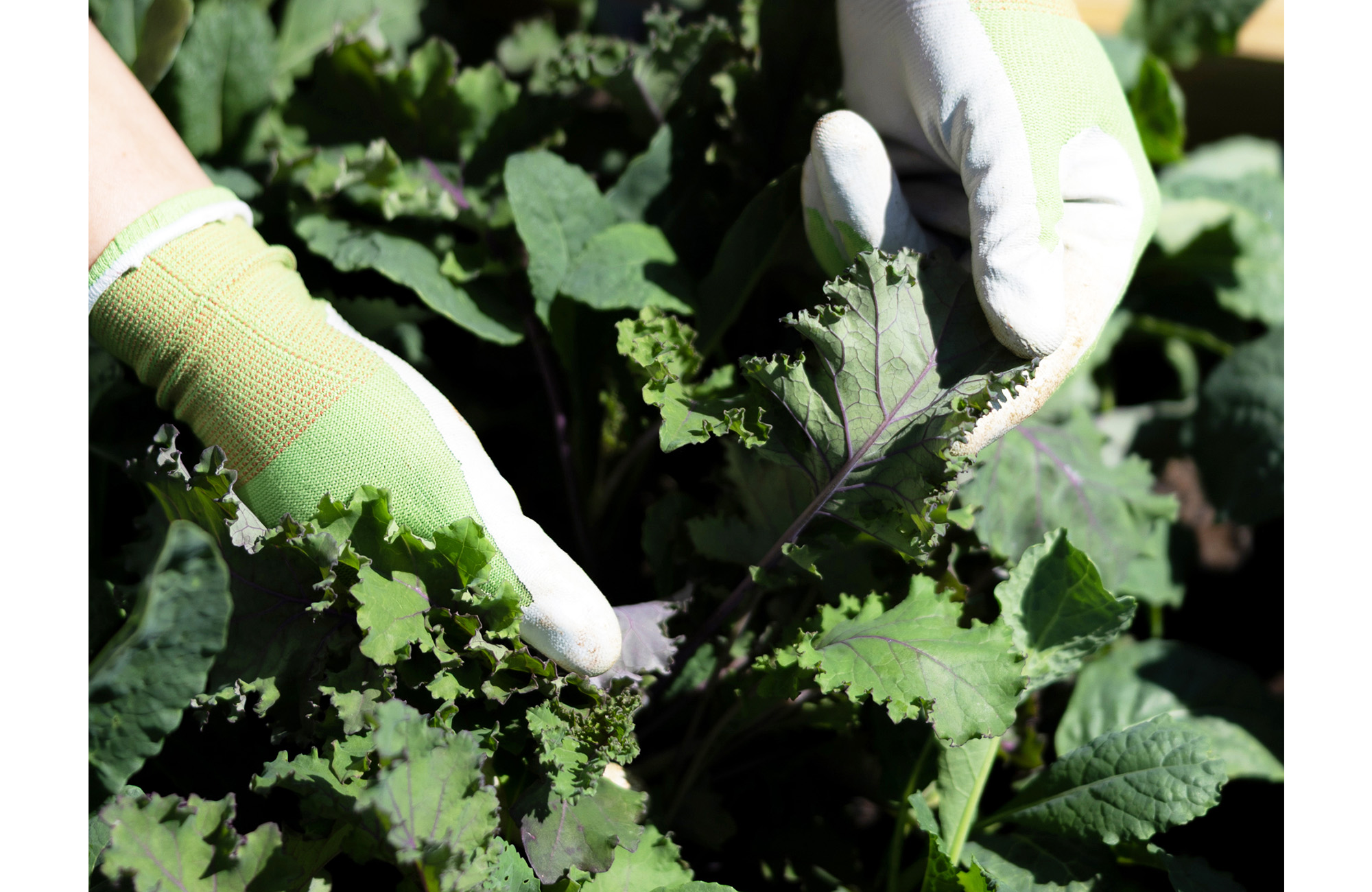
Kale: Lacinato & Scarlet
These cool-weather varieties thrive in the colder months and improve with frost. A few freezes help soften kale’s natural bitterness, making the leaves sweeter, richer, and more tender. Both varieties are harvested young and often.
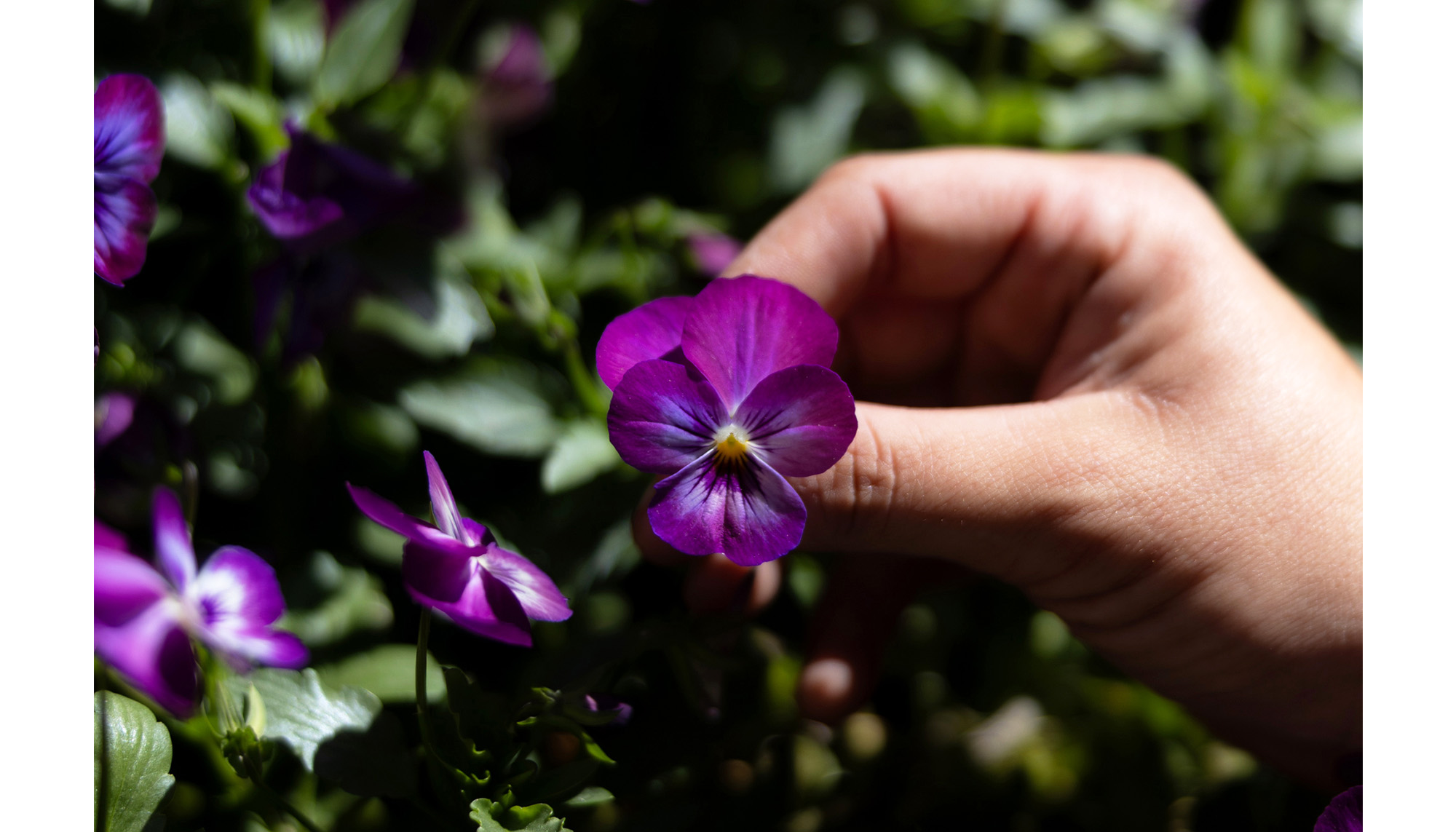
Viola ColorMax Purple Glow
These edible blooms have been growing since October and are remarkably cold-hardy, able to withstand weeks under solid ice. Used as edible garnishes in the kitchen and in pressed flower workshops, their season is nearly at an end, making this one of the last chances to enjoy them.
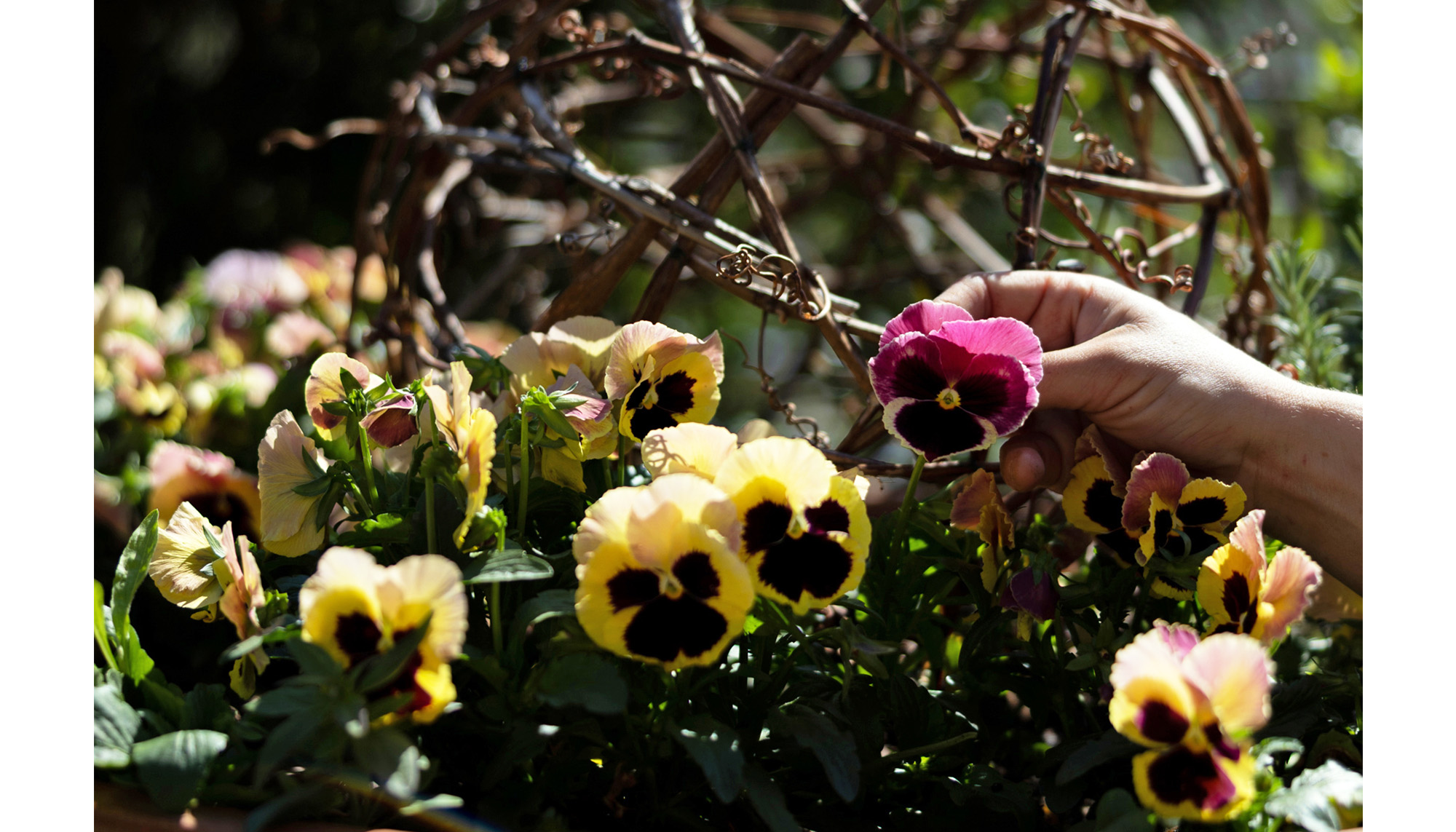
Pansies (Matrix Sunrise)
In the same family as violas, pansies are bred for larger blooms and bring both color and beauty to spring. They’re used for garnishing dishes and incorporated into seasonal pressed flower workshops.
A Season Of Flexibility
For Garden Manager Celina, this spring has been a reminder of how unpredictable Virginia growing can be. This year’s garden plan leans heavily on reliable crops, extra plantings, and backup plans, all part of adapting to the rhythms of a true four-season climate. Her advice: don’t plant too early, always plant extra, and expect the unexpected.
And her favorite part of spring? The joy of pulling a perfect radish.

