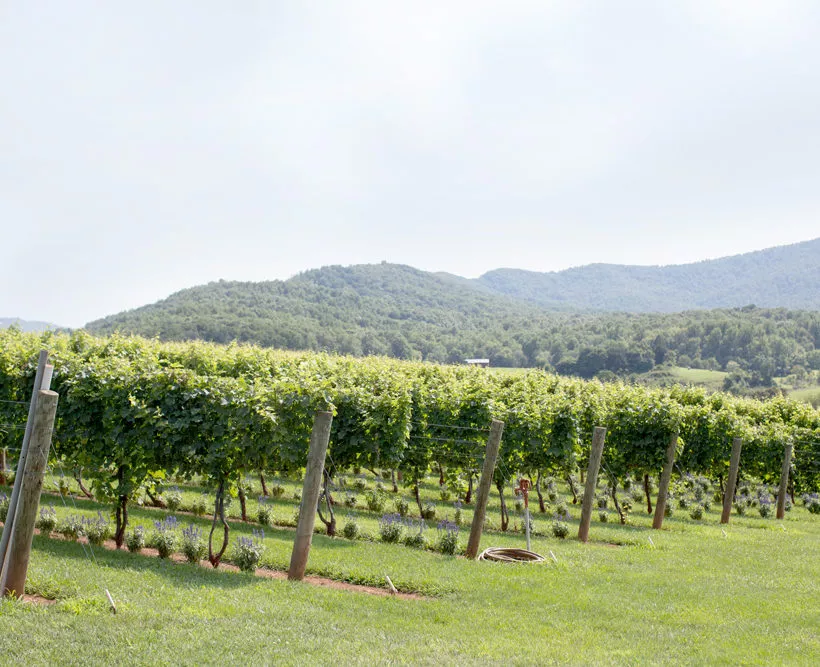
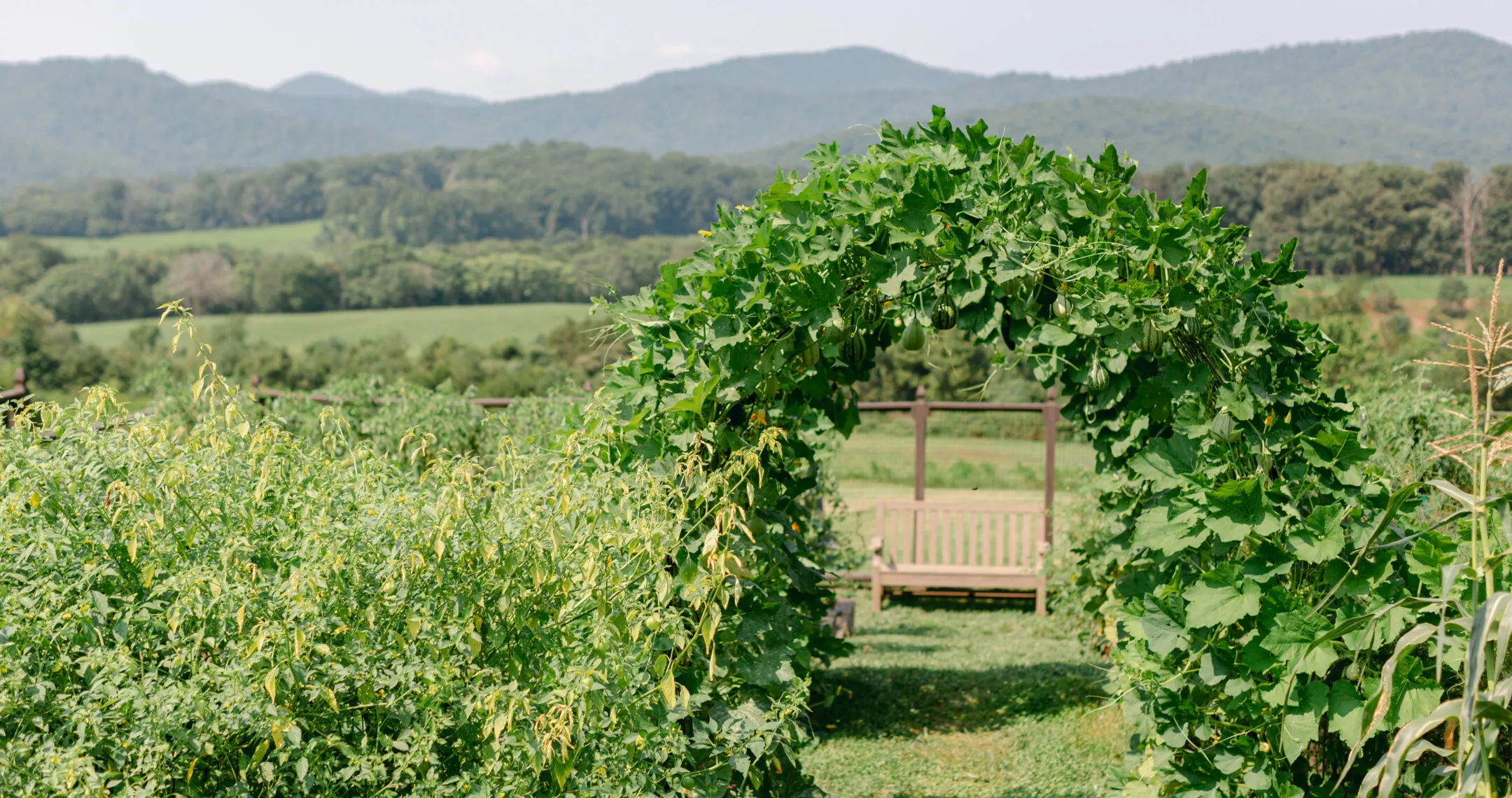
Pippin Hill Farm & Vineyards sits on 41 acres over looking the rolling foothills of the Blue Ridge Mountains. The grounds are composed of vineyards, kitchen gardens, flower gardens, 8 acres of natural areas made up of native flowers & grasses as well as dedicated livestock areas.
The Farm
The Farm at Pippin Hill

The Apiary
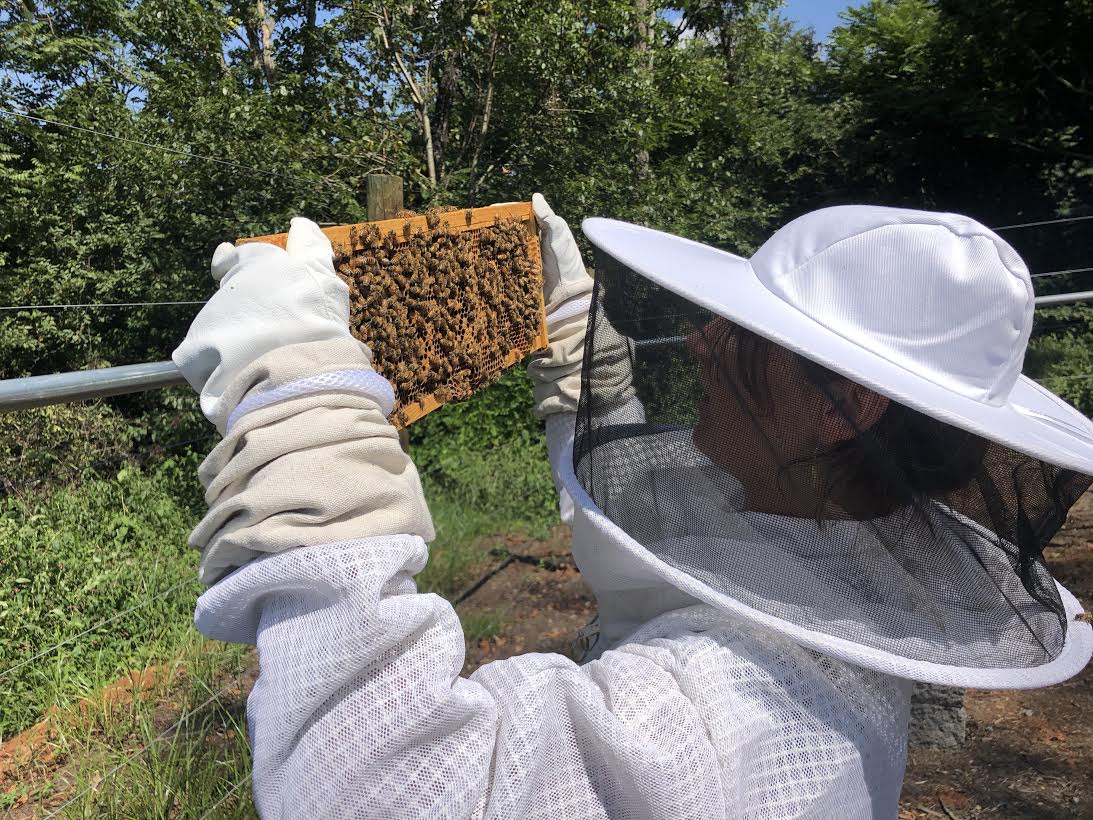
Nearly 30% of the food we eat depends on pollination, and the nationwide decline of the honeybee population is a very real concern, one we take to heart at Pippin Hill. In 2019, we partnered with a local honey company to establish a nearby apiary with five honeybee hives. These bees support the pollination of our vegetables, fruits, and flowers, helping to increase crop yields.
Honeybees can forage within several miles of their hives, which means they also aid in pollinating nearby fruit orchards throughout the North Garden area. When we have a surplus, we harvest the honey for use in our kitchen. But the honey is purely a byproduct of managing honeybees, as our main goal is to support the honeybee population and be good stewards of the land.
The Chickens
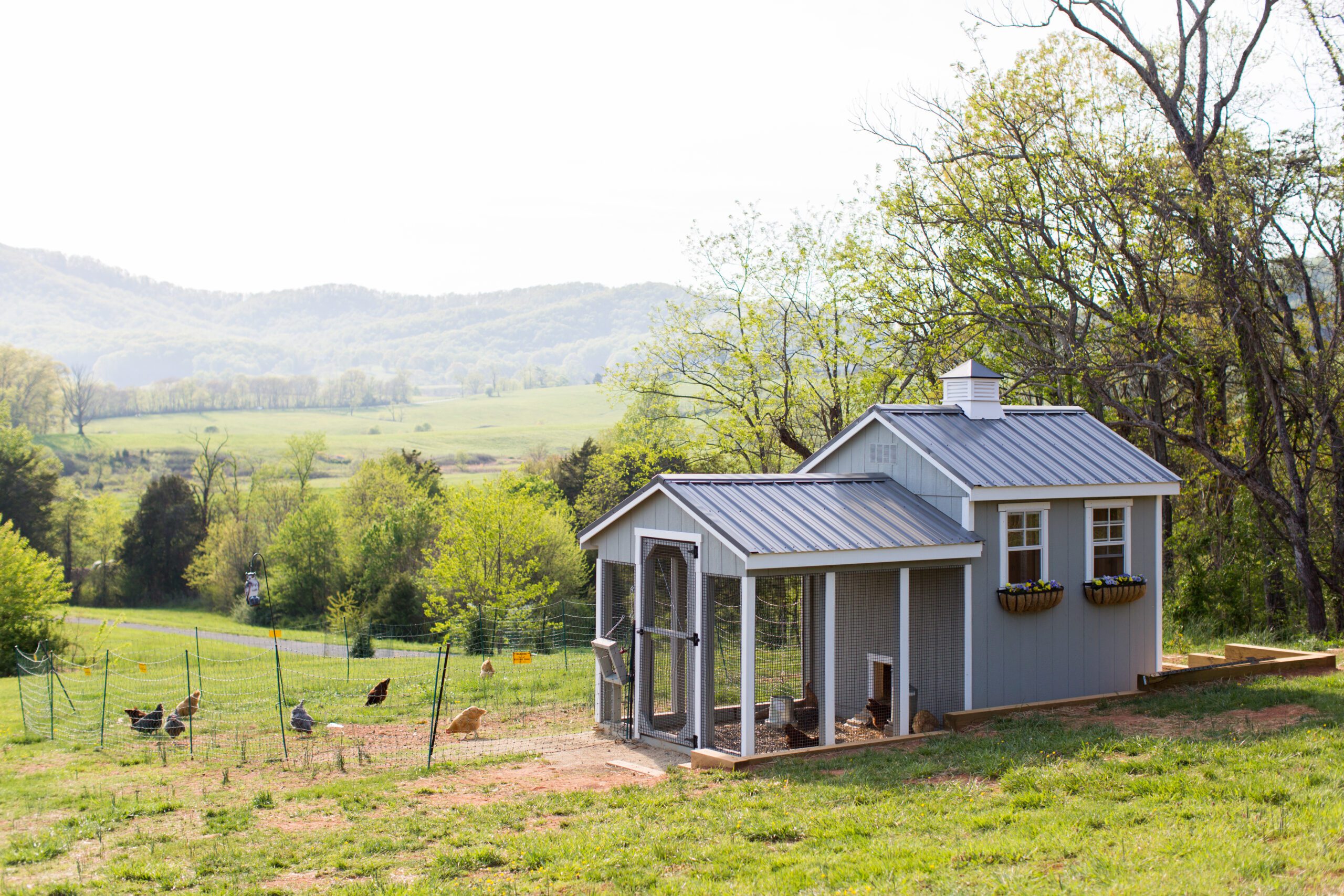
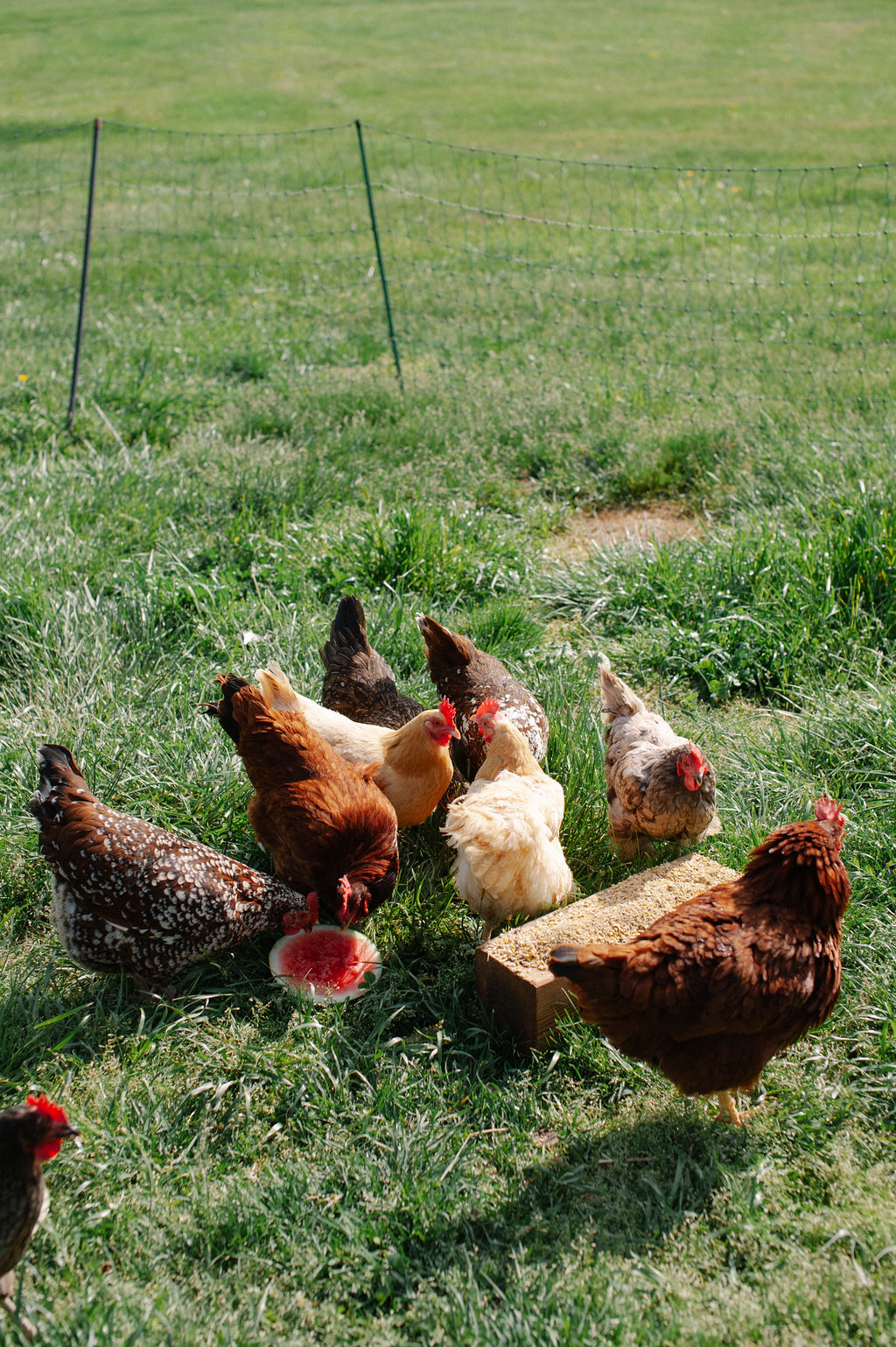
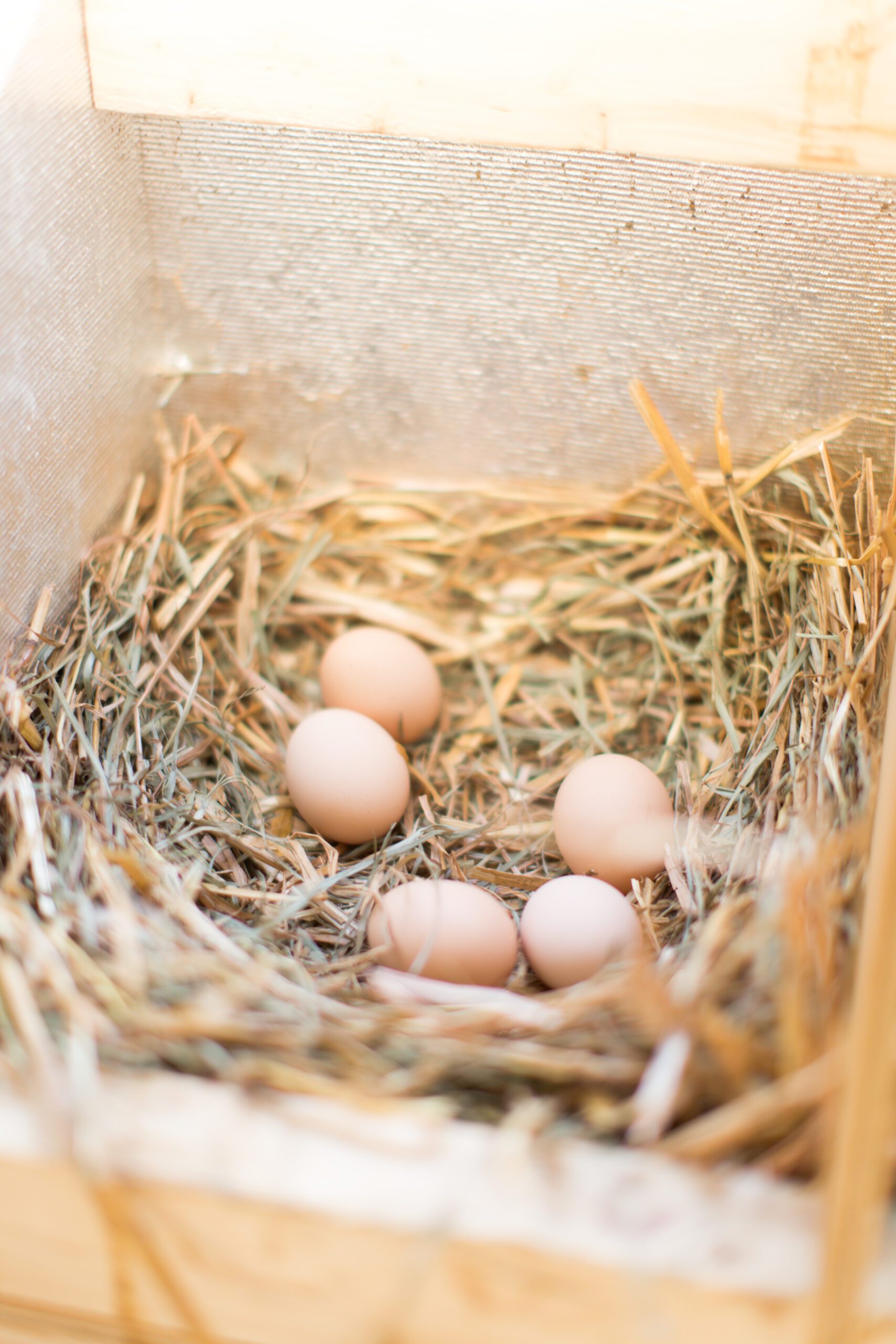
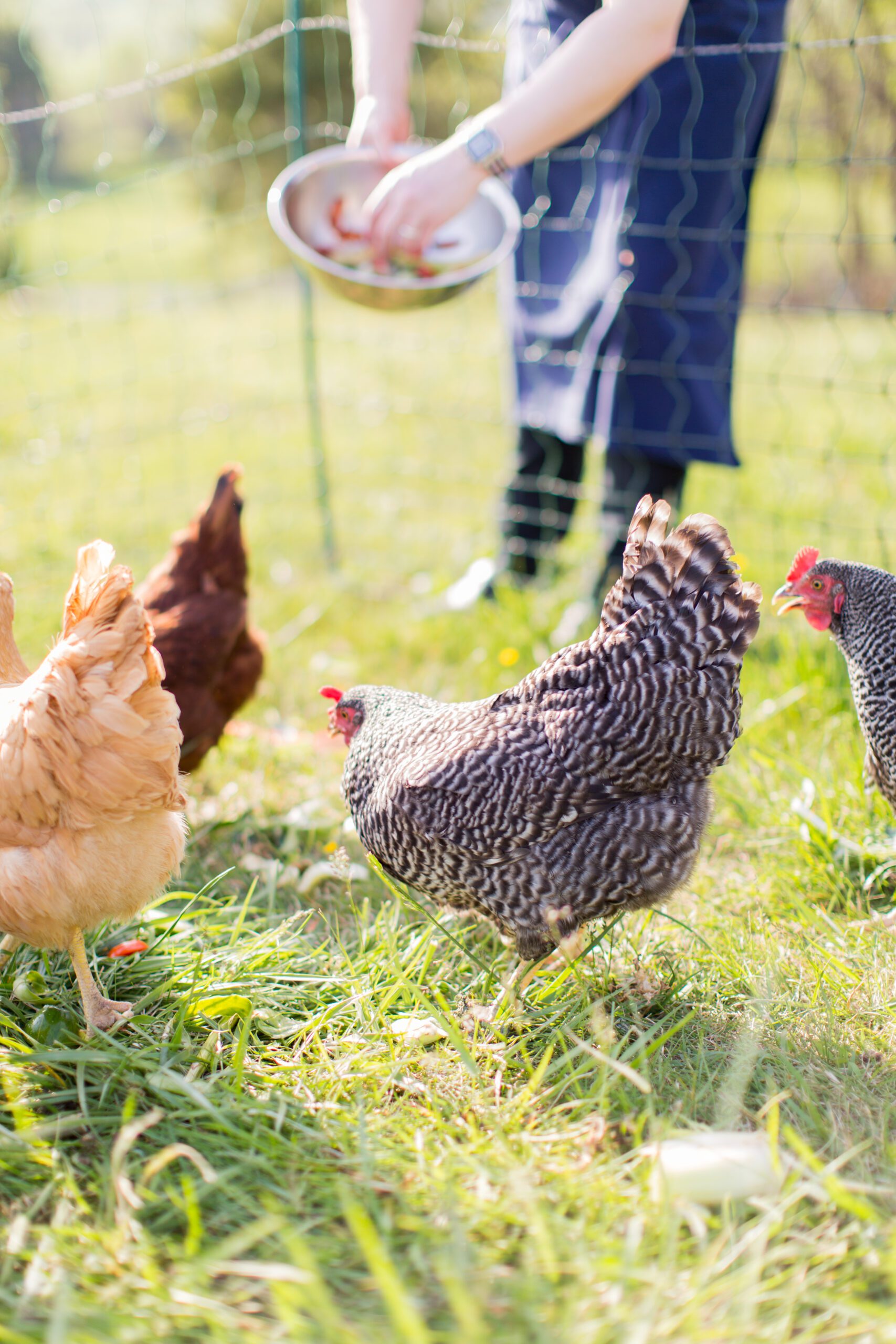
Egg laying hens were added to the Farm at Pippin Hill in 2018 to provide eggs for the kitchen. We generally have between 10 and 15 hens that are reliable layers and hardy, friendly breeds, including Rhode Island Reds, Buff Orpingtons, Blue Wyandottes, Speckled Sussex, and Ameraucanas. Our chef enjoys incorporating the eggs into their seasonal culinary creations.
By sourcing eggs directly from our own farm, we reduce transportation, support a more sustainable food system, and strengthen our commitment to thoughtful, land-based stewardship.
The Gardens
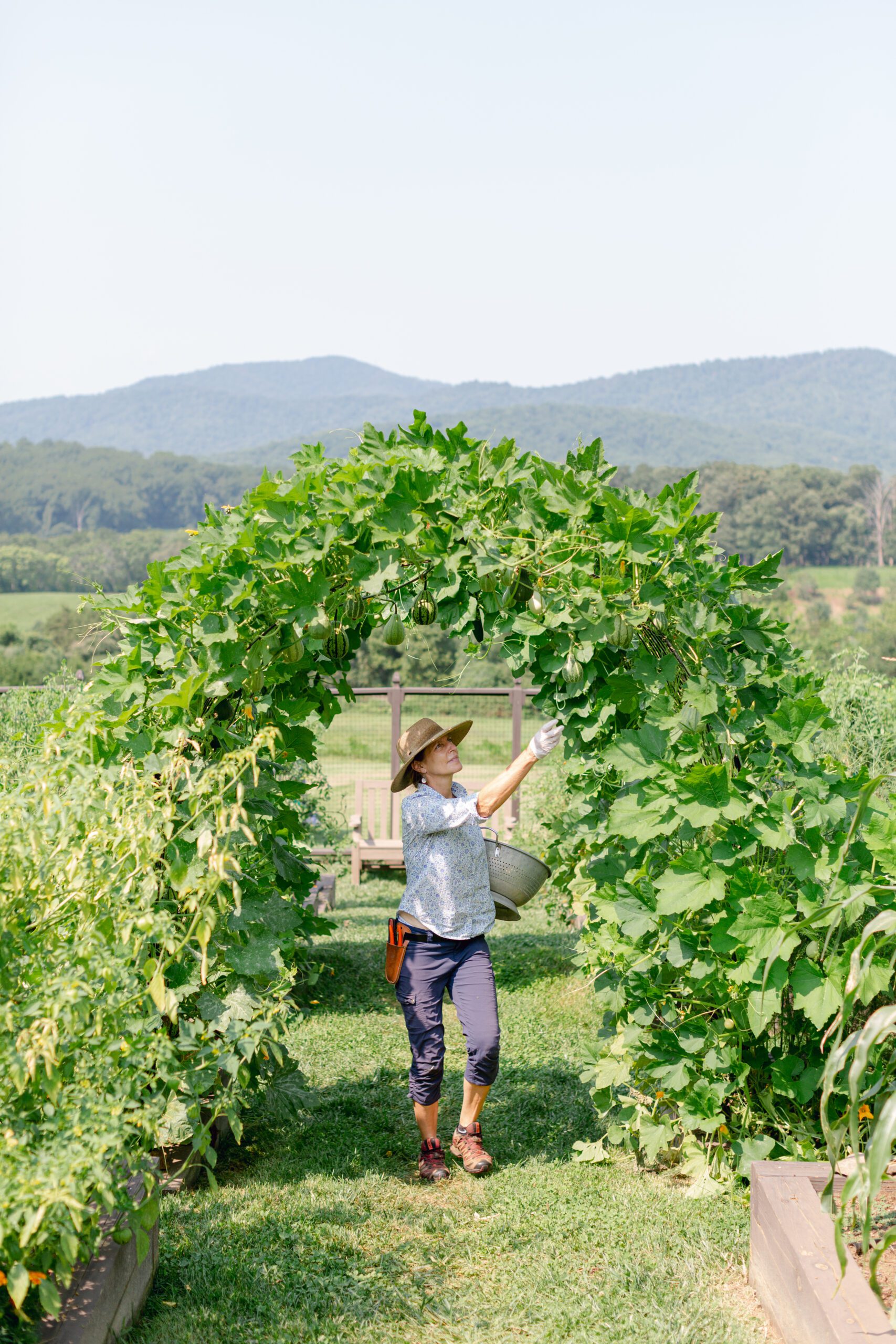
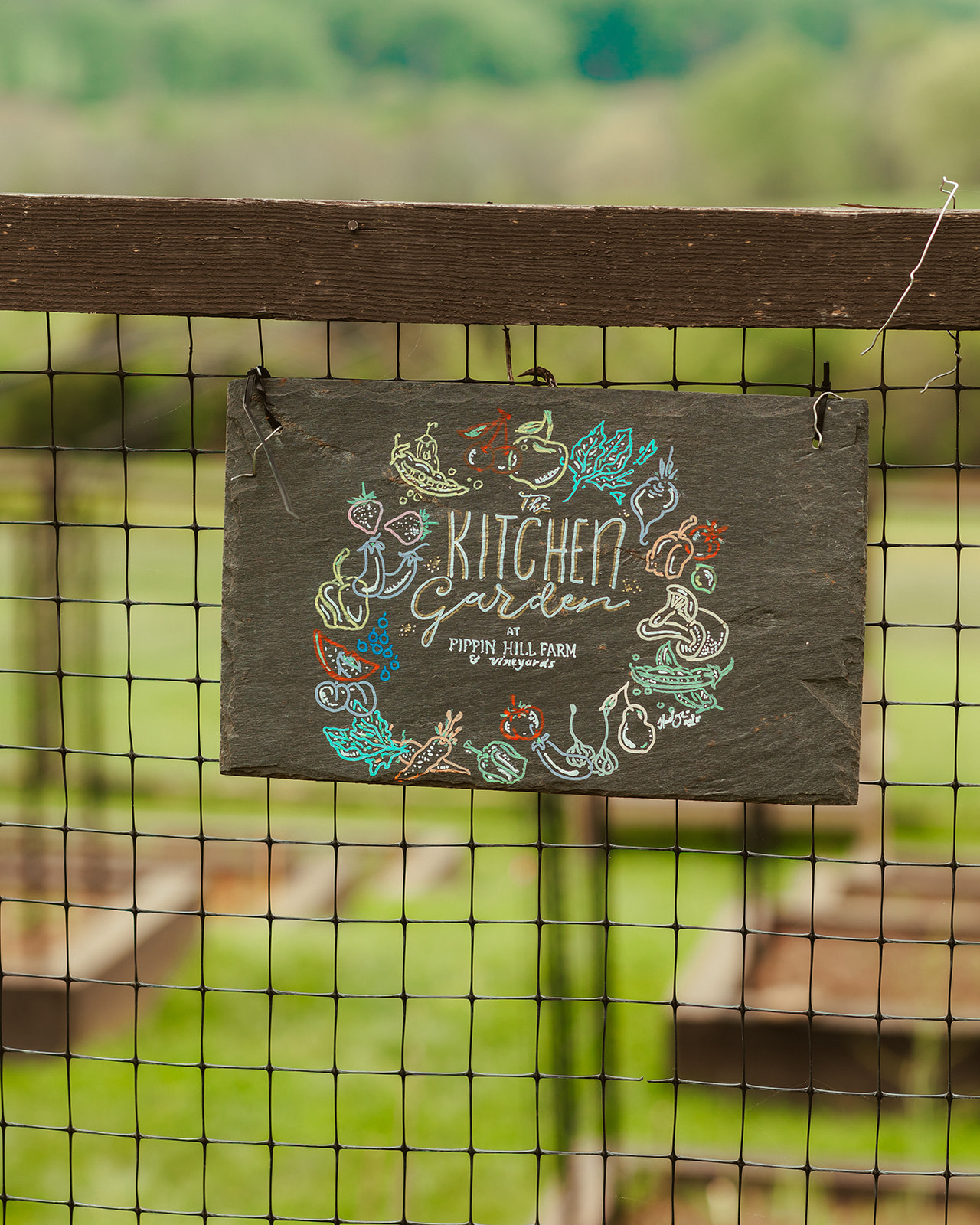
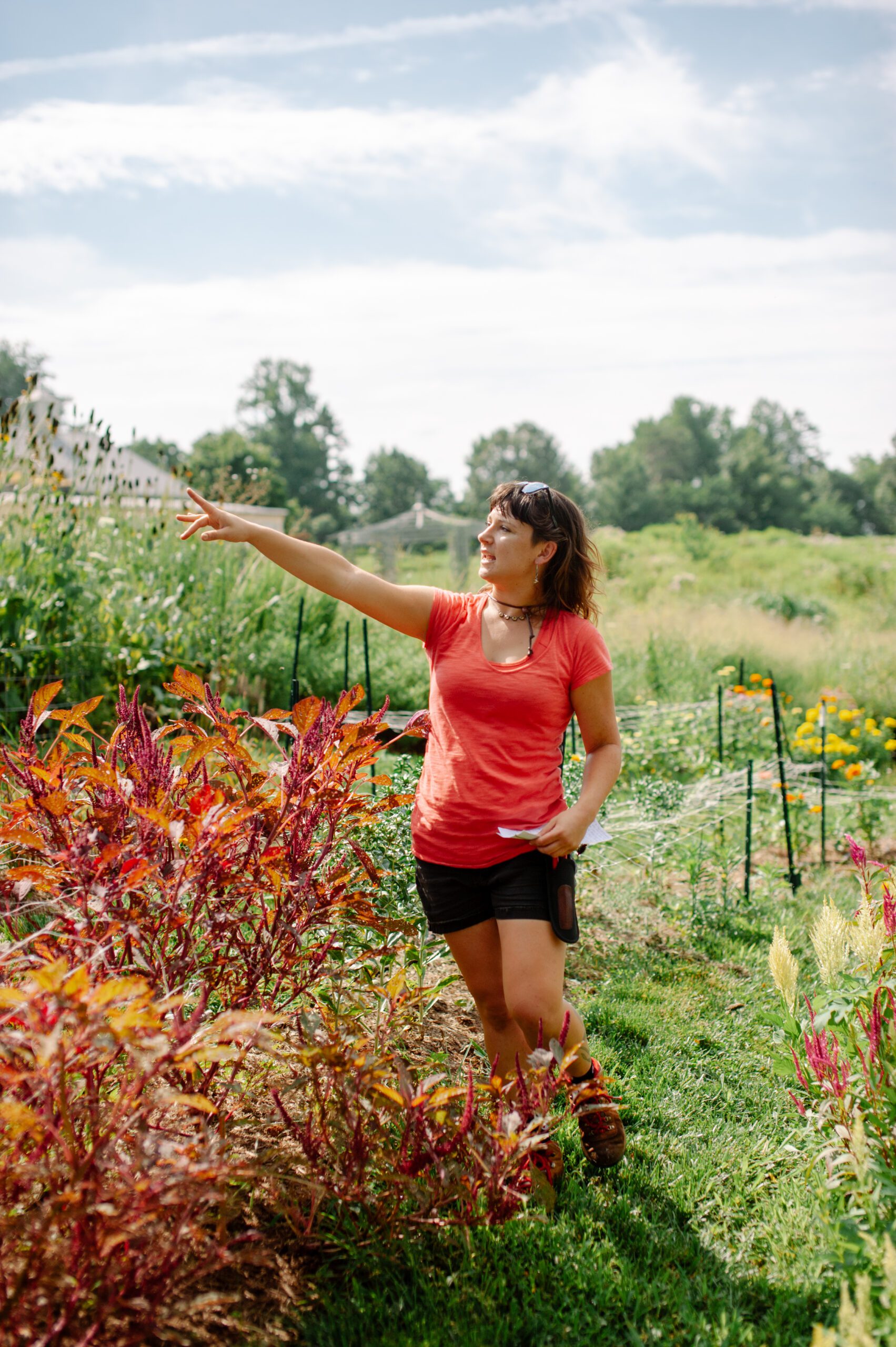
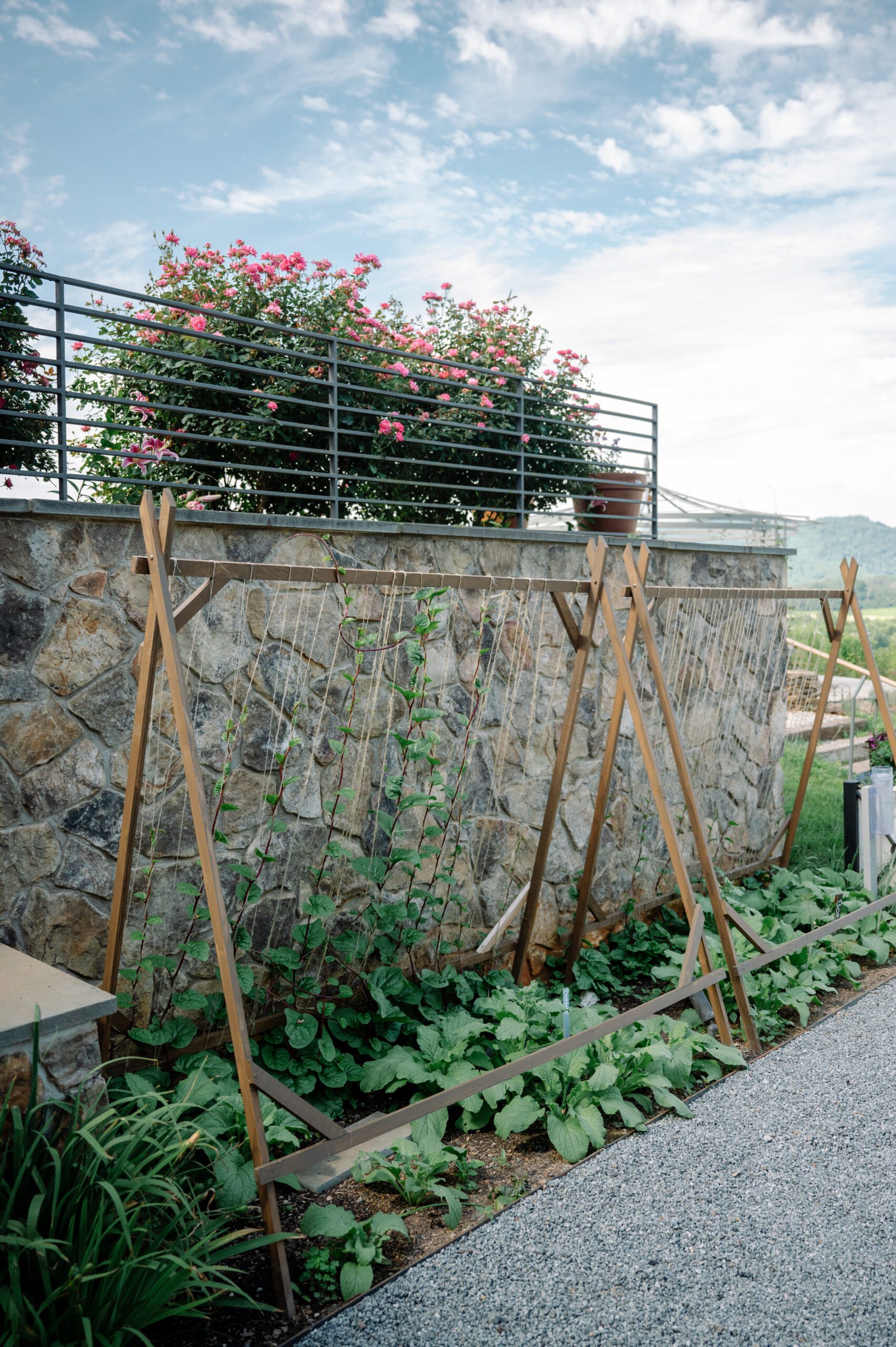
The kitchen gardens are divided into three areas: the herb garden, the Reserve Room garden for greens and lettuces, and the lower vegetable garden for larger crops like tomatoes, squash, and peppers. Head Gardener Celina DeBrito and Executive Chef Victoria Cosner plan the three-season garden in January.
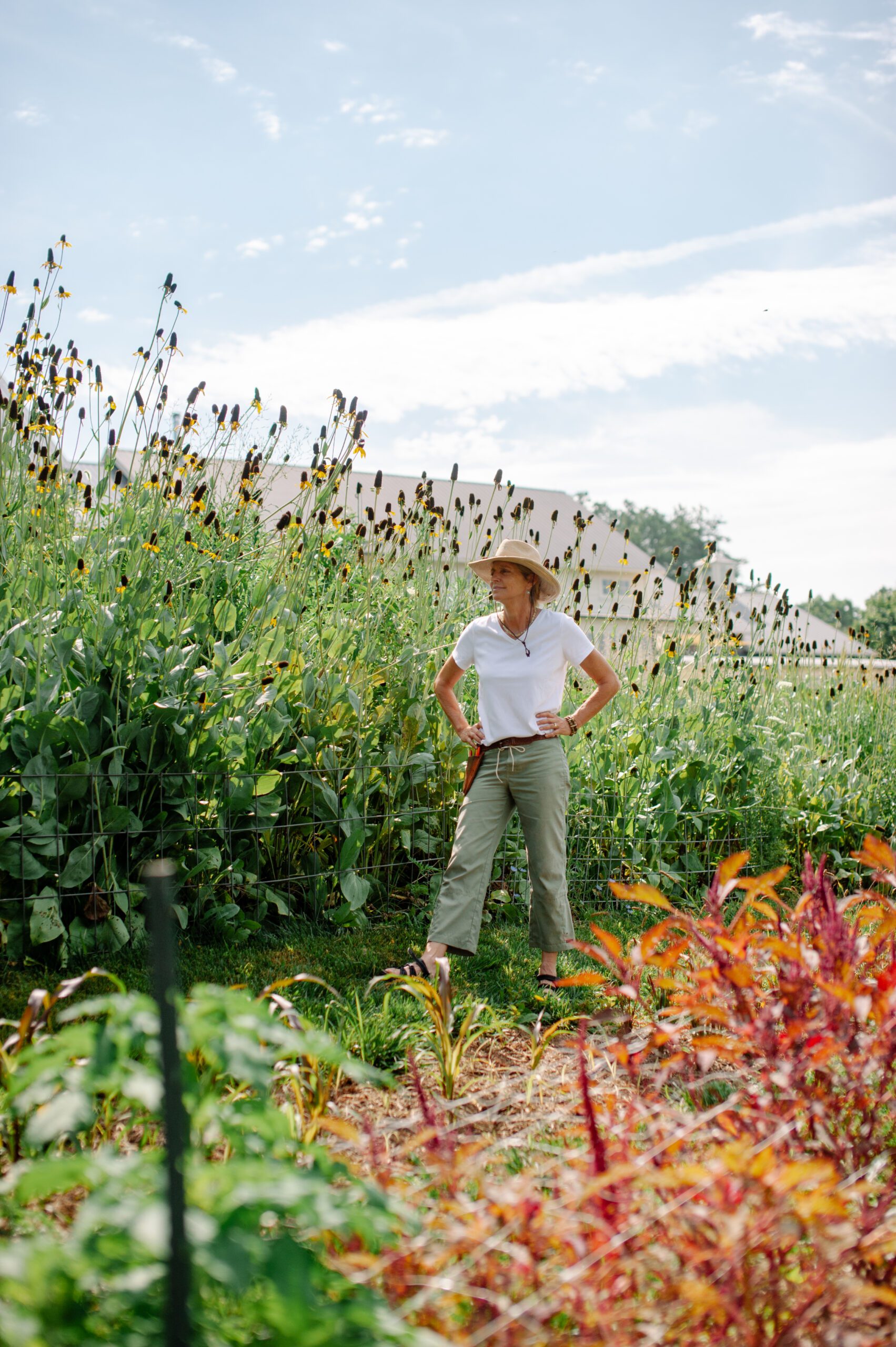
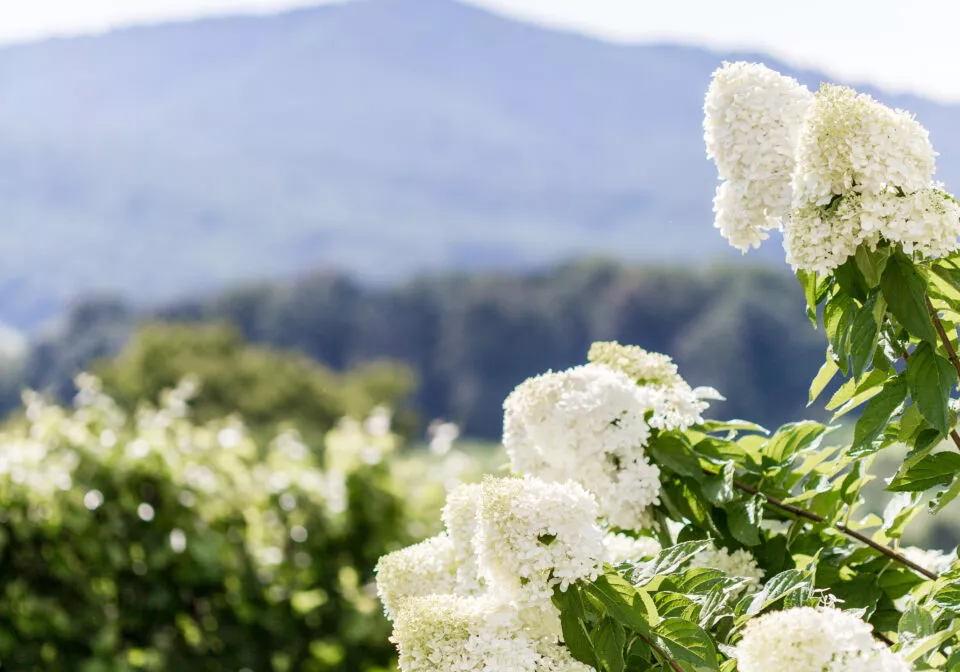
The flower gardens provide vibrant blooms for Tasting Room arrangements, events, and workshops, while also serving as vital pollinators. Edible flowers are grown for the kitchen to garnish and enhance the flavors of Pippin Hill dishes.